Athlete’s Foot and How It Spreads

Athlete’s foot is a contagious fungal infection that affects the skin of the feet and can move from person to person or across different areas of the body. Athlete’s foot develops when certain fungi settle into damp areas of the skin, particularly between the toes. The fungi spread easily in shared environments, such as gyms, locker rooms, and pool decks. They can also transfer through contact with contaminated items like shoes or towels. The skin may appear flaky, soft, or whitened, and can feel itchy, irritated, or mildly painful if small fissures form. Without treatment, the infection may persist or spread to the soles or toenails. A podiatrist can assess the affected skin and confirm the diagnosis through an examination. Treatment focuses on antifungal therapy, along with strategies to reduce moisture and prevent reinfection. If you have symptoms of athlete’s foot, it is suggested that you schedule an appointment with a podiatrist for effective relief and treatment solutions.

Athlete’s Foot

Athlete’s foot is often an uncomfortable condition to experience. Thankfully, podiatrists specialize in treating athlete’s foot and offer the best treatment options. If you have any questions about athlete’s foot, consult with Dr. Richard Silverstein from Union Foot Care. Our doctor will assess your condition and provide you with quality treatment.

What Is Athlete’s Foot?

Tinea pedis, more commonly known as athlete’s foot, is a non-serious and common fungal infection of the foot. Athlete’s foot is contagious and can be contracted by touching someone who has it or infected surfaces. The most common places contaminated by it are public showers, locker rooms, and swimming pools. Once contracted, it grows on feet that are left inside moist, dark, and warm shoes and socks.

Prevention

The most effective ways to prevent athlete’s foot include:

  • Thoroughly washing and drying feet
  • Avoid going barefoot in locker rooms and public showers
  • Using shower shoes in public showers
  • Wearing socks that allow the feet to breathe
  • Changing socks and shoes frequently if you sweat a lot

Symptoms

Athlete’s foot initially occurs as a rash between the toes. However, if left undiagnosed, it can spread to the sides and bottom of the feet, toenails, and if touched by hand, the hands themselves. Symptoms include:

  • Redness
  • Burning
  • Itching
  • Scaly and peeling skin

Diagnosis and Treatment

Diagnosis is quick and easy. Skin samples will be taken and either viewed under a microscope or sent to a lab for testing. Sometimes, a podiatrist can diagnose it based on simply looking at it. Once confirmed, treatment options include oral and topical antifungal medications.

If you have any questions, please feel free to contact our office located in Havre de Grace, MD . We offer the newest diagnostic and treatment technologies for all your foot care needs.


Read more about Athlete's Foot

Are Bunions Affecting Your Everyday Life?

Have you noticed a bony protrusion on the side of your big toe? If so, you may have developed the foot condition known as a bunion. Don't let bunions interfere with your daily activities.

Management of Scar Tissue Pain in the Feet

Scar tissue can form in the feet after an injury, surgery, or repeated stress. While it is a normal part of healing, it may not be as flexible as healthy tissue. This can lead to tightness, discomfort, or pain with movement and walking. Some people notice a pulling feeling, sensitivity, or pain when pressure is applied to the area. Over time, scar tissue can limit motion and affect how the foot functions. Wearing supportive shoes, stretching, and gentle massage may help improve flexibility and reduce discomfort. Custom orthotics or padding can also relieve pressure on sensitive areas. Early care can help prevent long-term issues and improve comfort. If pain continues, worsens, or interferes with daily activity, it is suggested you schedule an appointment with a podiatrist for appropriate care.

Foot Pain

Foot pain can be extremely painful and debilitating. If you have a foot pain, consult with Dr. Richard Silverstein from Union Foot Care. Our doctor will assess your condition and provide you with quality foot and ankle treatment.

Causes

Foot pain is a very broad condition that could be caused by one or more ailments. The most common include:

  • Bunions
  • Hammertoes
  • Plantar Fasciitis
  • Bone Spurs
  • Corns
  • Tarsal Tunnel Syndrome
  • Ingrown Toenails
  • Arthritis (such as Gout, Rheumatoid, and Osteoarthritis)
  • Flat Feet
  • Injury (from stress fractures, broken toe, foot, ankle, Achilles tendon ruptures, and sprains)
  • And more

Diagnosis

To figure out the cause of foot pain, podiatrists utilize several different methods. This can range from simple visual inspections and sensation tests to X-rays and MRI scans. Prior medical history, family medical history, and any recent physical traumatic events will all be taken into consideration for a proper diagnosis.

Treatment

Treatment depends upon the cause of the foot pain. Whether it is resting, staying off the foot, or having surgery; podiatrists have a number of treatment options available for foot pain.

If you have any questions, please feel free to contact our office located in Havre de Grace, MD . We offer the newest diagnostic and treatment technologies for all your foot care needs.

Read more about Foot Pain

Understanding Haglund’s Deformity and Its Treatment Options

Haglund’s deformity is a bony bump that forms on the back of the heel near where the Achilles tendon attaches. This prominence can rub against shoes, especially those with stiff backs, causing irritation, redness, and pain. Over time, it may also lead to inflammation in nearby tissues, making walking uncomfortable. Other conditions can feel very similar and are sometimes confused with this issue. These include irritation of the Achilles tendon, inflammation of the fluid-filled sac near the heel, or general overuse injuries. Because symptoms overlap, proper evaluation is important to confirm the cause of pain. Treatment often begins with simple changes like wearing softer shoes, using padding, adding heel lifts, and doing stretching exercises. If discomfort continues despite these efforts, a minor surgical procedure to remove the extra bone may be considered. If heel pain is limiting your daily activities, it is suggested that you schedule a visit with a podiatrist for a proper diagnosis and appropriate treatment.

Many people suffer from bouts of heel pain. For more information, contact Dr. Richard Silverstein of Union Foot Care. Our doctor can provide the care you need to keep you pain-free and on your feet.

Causes of Heel Pain

Heel pain is often associated with plantar fasciitis. The plantar fascia is a band of tissues that extends along the bottom of the foot. A rip or tear in this ligament can cause inflammation of the tissue.

Achilles tendonitis is another cause of heel pain. Inflammation of the Achilles tendon will cause pain from fractures and muscle tearing. Lack of flexibility is also another symptom.

Heel spurs are another cause of pain. When the tissues of the plantar fascia undergo a great deal of stress, it can lead to ligament separation from the heel bone, causing heel spurs.

Why Might Heel Pain Occur?

  • Wearing ill-fitting shoes                
  • Wearing non-supportive shoes
  • Weight change           
  • Excessive running

Treatments

Heel pain should be treated as soon as possible for immediate results. Keeping your feet in a stress-free environment will help. If you suffer from Achilles tendonitis or plantar fasciitis, applying ice will reduce the swelling. Stretching before an exercise like running will help the muscles. Using all these tips will help make heel pain a condition of the past.

If you have any questions, please feel free to contact our office located in Havre de Grace, MD . We offer the newest diagnostic and treatment technologies for all your foot care needs.
Read more about Heel Pain

Conservative to Surgical Treatments for Ingrown Toenails

Ingrown toenails can range from mildly painful to severely infected, but treatment options are highly effective. Early, conservative care often includes warm soaks, proper nail trimming, topical antibiotics, and protective padding to relieve pressure. In more persistent cases, a podiatrist may recommend partial nail avulsion, a minor procedure that removes the ingrown portion of the nail. For recurring or severe conditions, a matrixectomy, a procedure that permanently removes part of the nail root to stop regrowth, may be performed to permanently prevent that part of the nail from growing back. These in-office procedures are typically quick, safe, and provide long-term relief. Addressing the problem early helps prevent infection, swelling, and worsening pain. Whether your symptoms are new or ongoing, professional evaluation ensures the most appropriate treatment plan. Do not ignore the discomfort of an ingrown toenail. It is suggested that you schedule a visit with a podiatrist to receive expert care, and get back on your feet comfortably.

Ingrown toenails may initially present themselves as a minor discomfort, but they may progress into an infection in the skin without proper treatment. For more information about ingrown toenails, contact Dr. Richard Silverstein of Union Foot Care. Our doctor can provide the care you need to keep you pain-free and on your feet.

Ingrown Toenails

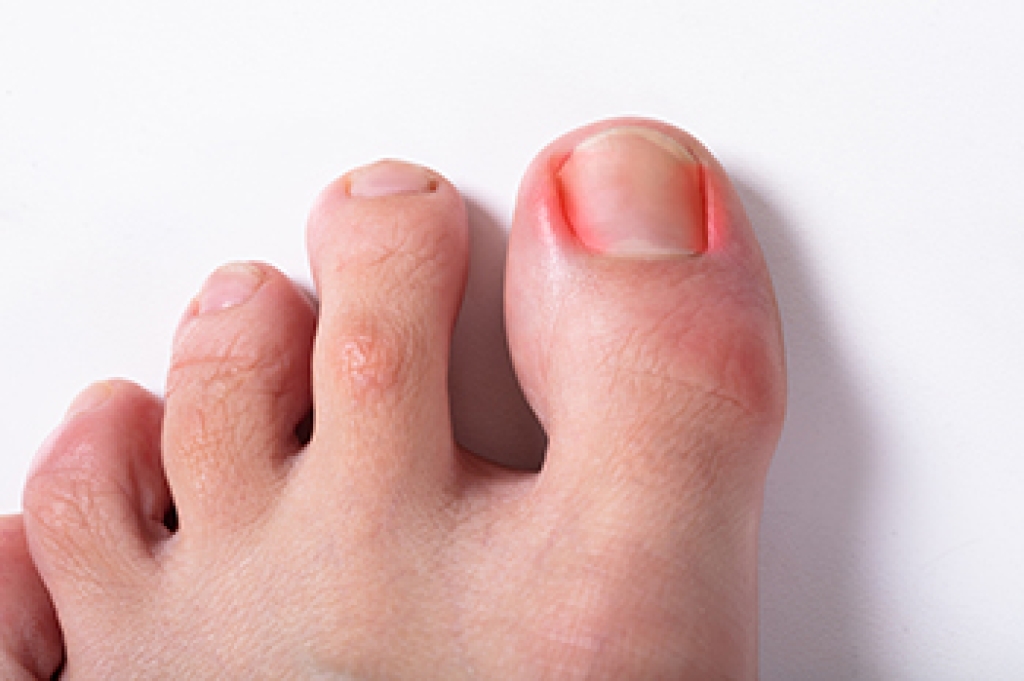
Ingrown toenails are caused when the corner or side of a toenail grows into the soft flesh surrounding it. They often result in redness, swelling, pain, and in some cases, infection. This condition typically affects the big toe and may recur if it is not treated properly.

Causes

  • Improper toenail trimming
  • Genetics
  • Improper shoe fitting
  • Injury from pedicures or nail picking
  • Abnormal gait
  • Poor hygiene

You are more likely to develop an ingrown toenail if you are obese, have diabetes, arthritis, or have any fungal infection in your nails. Additionally, people who have foot or toe deformities are at a higher risk of developing an ingrown toenail.

Symptoms

Some symptoms of ingrown toenails are redness, swelling, and pain. In rare cases, there may be a yellowish drainage coming from the nail.

Treatment

Ignoring an ingrown toenail can have serious complications. Infections of the nail border can progress to a deeper soft-tissue infection, which can then turn into a bone infection. You should always speak with your podiatrist if you suspect you have an ingrown toenail, especially if you have diabetes or poor circulation.

If you have any questions, please feel free to contact our office located in Havre de Grace, MD . We offer the newest diagnostic and treatment technologies for all your foot care needs.

Read more about Ingrown Toenails

Connect With Us