
Common Causes of Heel Pain

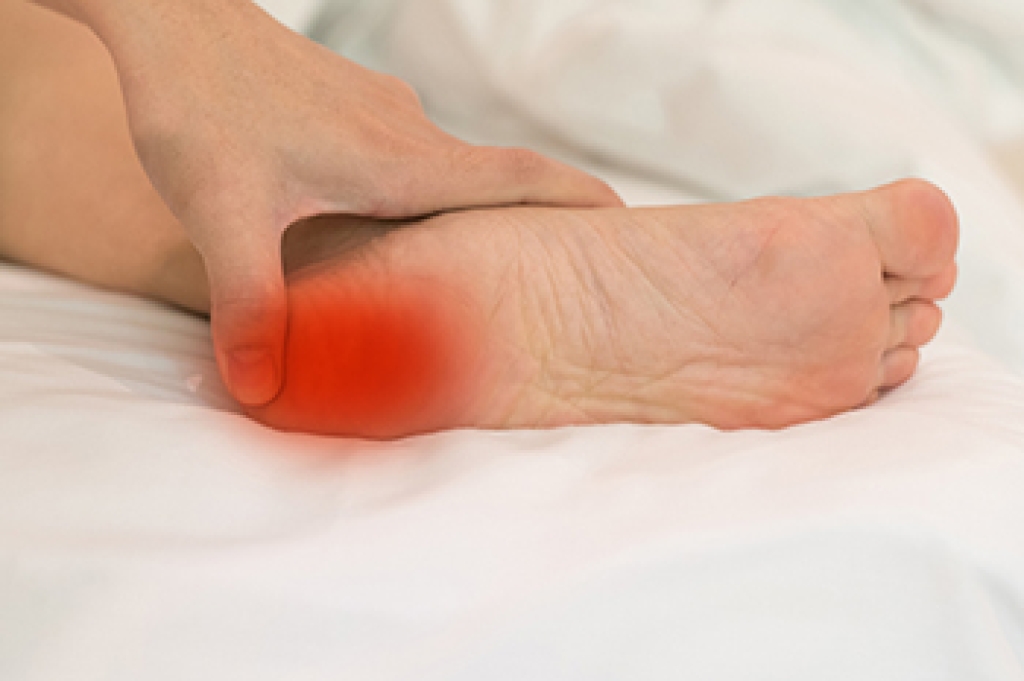
Heel pain is one of the most frequent foot complaints seen in podiatry and can result from several underlying conditions. The most common cause is plantar fasciitis, which involves inflammation of the thick band of tissue that supports the arch and connects the heel to the toes. This condition is often referred to by several names, including jogger heel, tennis heel, and policeman heel, reflecting its association with repetitive stress activities. Heel pain may also stem from other conditions, such as Sever's disease in children, heel bumps, and Achilles tendinopathy, making proper identification essential.

Symptoms of plantar fasciitis typically include sharp pain at the bottom of the heel, especially with the first steps in the morning or after periods of rest. The pain may decrease with movement but return after prolonged standing or activity. Achilles tendinopathy often causes pain at the back of the heel along with stiffness and swelling. A heel bump, sometimes called a pump bump, may cause irritation at the back of the heel where shoes rub. In children, Sever’s disease appears as heel pain during growth periods, especially in those who are active in  sports.

Several causes can contribute to heel pain. Repetitive strain from running, jumping, or prolonged standing can stress the plantar fascia and surrounding structures. Tight calf muscles, improper footwear, and flat feet or high arches can increase strain on the heel. Growth-related stress on the heel bone is a common cause in children with Sever’s disease. Overuse and sudden increases in activity levels can also contribute to Achilles tendinopathy and related heel conditions.

Risk factors for heel pain include high-impact activities, obesity, occupations that require long hours of standing on hard surfaces, and wearing unsupportive shoes. Early evaluation and proper care can prevent chronic discomfort and long-term complications. Treatment options include stretching, orthotics, and activity modification. If you have heel pain, it is suggested you consult a podiatrist who can determine what the cause is and offer appropriate relief and treatment solutions.

Many people suffer from bouts of heel pain. For more information, contact Dr. Richard Silverstein of Union Foot Care. Our doctor can provide the care you need to keep you pain-free and on your feet.

Causes of Heel Pain

Heel pain is often associated with plantar fasciitis. The plantar fascia is a band of tissues that extends along the bottom of the foot. A rip or tear in this ligament can cause inflammation of the tissue.

Achilles tendonitis is another cause of heel pain. Inflammation of the Achilles tendon will cause pain from fractures and muscle tearing. Lack of flexibility is also another symptom.

Heel spurs are another cause of pain. When the tissues of the plantar fascia undergo a great deal of stress, it can lead to ligament separation from the heel bone, causing heel spurs.

Why Might Heel Pain Occur?

  • Wearing ill-fitting shoes                
  • Wearing non-supportive shoes
  • Weight change           
  • Excessive running

Treatments

Heel pain should be treated as soon as possible for immediate results. Keeping your feet in a stress-free environment will help. If you suffer from Achilles tendonitis or plantar fasciitis, applying ice will reduce the swelling. Stretching before an exercise like running will help the muscles. Using all these tips will help make heel pain a condition of the past.

If you have any questions, please feel free to contact our office located in Havre de Grace, MD . We offer the newest diagnostic and treatment technologies for all your foot care needs.
Read more about Heel Pain

Causes of Foot and Ankle Injuries for Tennis Players

Tennis is a fast-paced sport that places repeated stress on the feet and ankles. Quick starts, lateral cuts, and sudden stops increase the risk of foot and ankle injuries. Common tennis-related conditions include Achilles tendon rupture, plantar fasciitis, fractures, and stress fractures. These injuries can affect performance and daily mobility if not addressed early. Understanding the definition and nature of each condition helps athletes recognize warning signs and seek timely care.

An Achilles tendon rupture is a tear of the tendon that connects the calf muscles to the heel. It often occurs during explosive movements such as pushing off or jumping. Symptoms include a sudden sharp pain, a popping sensation, swelling, and difficulty walking. Plantar fasciitis is inflammation of the thick band of tissue along the bottom of the foot. It commonly causes heel pain that is worse in the morning or after rest. Fractures are breaks in the bone caused by trauma, while stress fractures are small cracks that develop from repetitive overuse. Symptoms include localized pain, swelling, and tenderness that worsen with activity.


Risk factors for these injuries include improper footwear, poor court surfaces, and muscle imbalances. Limited flexibility in the calf muscles can increase strain on the Achilles tendon and plantar fascia. Sudden increases in training intensity or playing time also raise injury risk. Tennis players who do not allow adequate recovery time between matches are more likely to develop stress-related injuries. Biomechanical issues such as flat feet or high arches can further contribute to uneven pressure distribution.


Preventing tennis injuries requires proper conditioning, wearing supportive shoes, and a gradual increase in activity level. Stretching the calf muscles and strengthening the foot and ankle can improve stability and reduce strain. Players should be aware of early pain signals and avoid pushing through discomfort. If you have foot or ankle injuries from playing tennis, it is suggested that you consult a podiatrist for effective relief solutions.

Sports related foot and ankle injuries require proper treatment before players can go back to their regular routines. For more information, contact Dr. Richard Silverstein of Union Foot Care. Our doctor can provide the care you need to keep you pain-free and on your feet.

Sports Related Foot and Ankle Injuries

Foot and ankle injuries are a common occurrence when it comes to athletes of any sport. While many athletes dismiss the initial aches and pains, the truth is that ignoring potential foot and ankle injuries can lead to serious problems. As athletes continue to place pressure and strain the area further, a mild injury can turn into something as serious as a rupture and may lead to a permanent disability. There are many factors that contribute to sports related foot and ankle injuries, which include failure to warm up properly, not providing support or wearing bad footwear. Common injuries and conditions athletes face, including:

  • Plantar Fasciitis
  • Achilles Tendinitis
  • Achilles Tendon Rupture
  • Ankle Sprains

Sports related injuries are commonly treated using the RICE method. This includes rest, applying ice to the injured area, compression and elevating the ankle. More serious sprains and injuries may require surgery, which could include arthroscopic and reconstructive surgery. Rehabilitation and therapy may also be required in order to get any recovering athlete to become fully functional again. Any unusual aches and pains an athlete sustains must be evaluated by a licensed, reputable medical professional.

If you have any questions please contact our office located in Havre de Grace, MD . We offer the newest diagnostic and treatment technologies for all your foot and ankle needs.

Read more about Sports Related Foot and Ankle Injuries

Connect With Us