Finding Proper Shoes for Healthier Feet

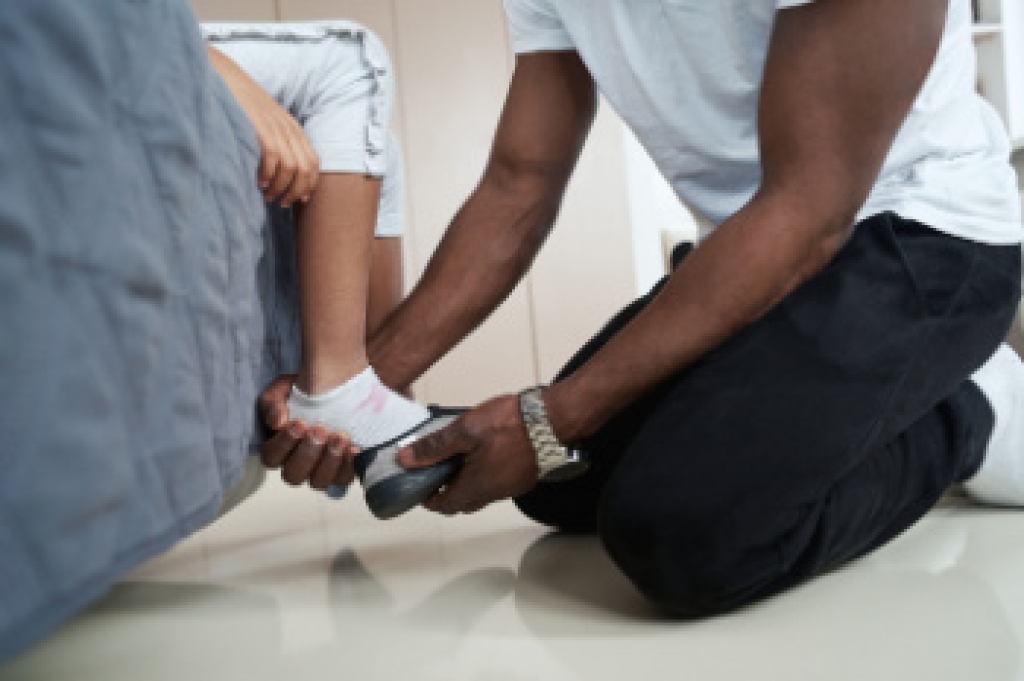
Wearing the right shoes plays an important role in protecting foot health and preventing pain. Shoes that fit correctly help support the feet while walking and standing. Poorly fitting shoes can place extra pressure on certain areas of the foot and contribute to problems, such as bunions, corns, calluses, and hammertoes. A hammertoe is a toe that bends abnormally at one of its joints. Shoes with a wide toe box give the toes enough room to move naturally. The toe box is the front part of the shoe that surrounds the toes. Proper shoes also help distribute body weight more evenly across the foot, reducing stress on joints and soft tissues.

Several features make a shoe healthier for the feet. Shoes with low heels place less pressure on the front of the foot than high-heeled shoes. A wide and deep toe box helps prevent crowding of the toes. Breathable materials allow air to circulate around the feet. Lace-up shoes usually provide a more secure fit than slip-on styles. A firm heel counter, which is the back portion of the shoe, helps keep the foot stable. The sole should provide cushioning and support. A shoe should also allow the ball of the foot to rest comfortably in the widest part of the shoe.

A podiatrist can evaluate foot structure, walking patterns, and shoe-related problems. Foot pain sometimes develops because shoes do not match the shape or needs of the feet. A podiatrist can identify pressure points, diagnose shoe-related conditions, and recommend footwear that offers better support and comfort. In some cases, special shoes or custom orthotics worn inside shoes help improve foot function. Professional evaluation can also help prevent existing foot conditions from becoming more serious. If you have foot pain that worsens when wearing shoes, it is suggested that you schedule an appointment with a podiatrist for guidance on how to choose shoes that fit properly. 

Getting the right shoe size is an important part of proper foot health. Seek the assistance of Dr. Richard Silverstein from Union Foot Care. Our doctor will provide the care you need to keep you pain-free and on your feet.

Getting the Right Shoe Size

There are many people who wear shoes that are the incorrect size, negatively affecting their feet and posture. Selecting the right shoes is not a difficult process, so long as you keep several things in mind when it comes to choosing the right pair.

  • When visiting the shoe store, use the tools available to measure your foot.
  • Be sure there is ‘wiggle room’. There should be about an inch between your toes and the tip of your shoes.
  • Do not always assume you are the same size, as manufacturers run differently.
  • Purchase shoes later in the day, as your feet swell as the day progresses.
  • If a shoe is not comfortable, it is not suitable. Most shoes can’t be ‘broken in’, and comfort should be the ultimate goal when it comes to choosing the right pair of shoes

As our feet hold our body weight and keep us moving, it is important to treat them right. Picking the right pair of shoes can provide your feet comfort and mobility without pain.

If you have any questions, please feel free to contact our office located in Havre de Grace, MD . We offer the newest diagnostic and treatment technologies for all your foot care needs.

Read more about Getting the Right Shoe Size: To Keep Your Feet Happy

Facts About Bunions

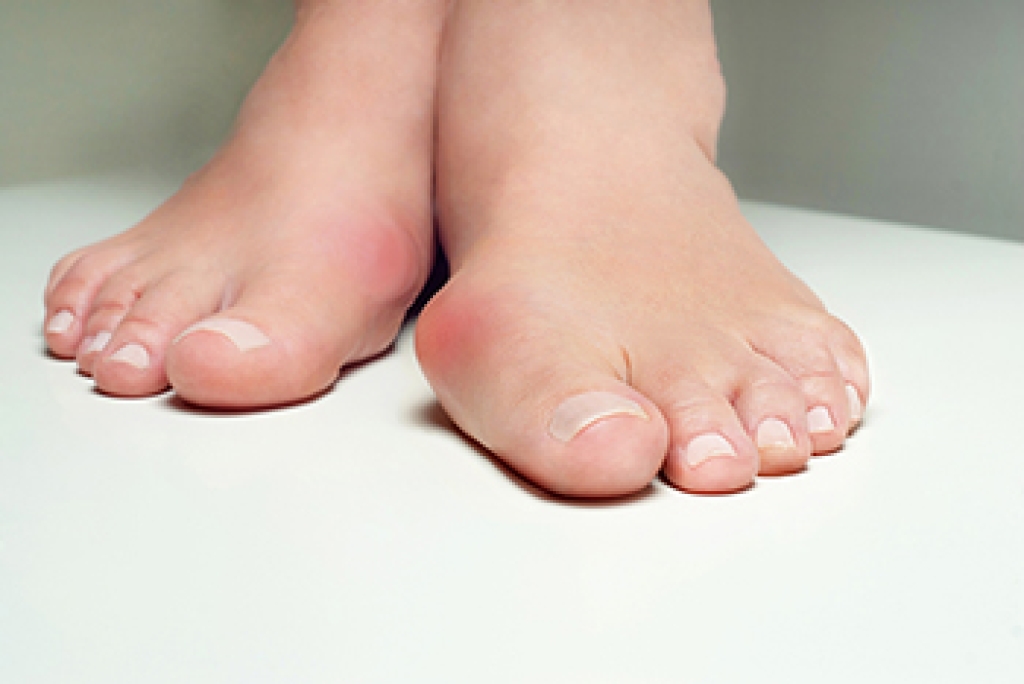
A bunion is a common foot condition that causes a bony bump to form at the base of the big toe. As the condition develops, the big toe gradually shifts toward the smaller toes, which can change the shape of the foot and make certain shoes uncomfortable to wear. Bunions often run in families because inherited foot structure can increase the likelihood of developing them. Common symptoms include pain, swelling and tenderness around the joint. Many have difficulty finding shoes that fit comfortably. Although genetics play a major role, wearing narrow, tight, or high-heeled shoes can place extra pressure on the big toe joint and may worsen symptoms over time. Other risk factors include flat feet, arthritis, and activities that place repeated stress on the front of the foot. Without treatment, a bunion may become larger and more painful. A podiatrist can assess the severity of the condition and recommend footwear modifications, padding, or surgery when necessary. If you have bunion pain, it is suggested that you schedule an appointment with a podiatrist for evaluation and treatment.

If you are suffering from bunions, contact Dr. Richard Silverstein of Union Foot Care. Our doctor can provide the care you need to keep you pain-free and on your feet.

What Is a Bunion?

A bunion is formed of swollen tissue or an enlargement of boney growth, usually located at the base joint of the toe that connects to the foot. The swelling occurs due to the bones in the big toe shifting inward, which impacts the other toes of the foot. This causes the area around the base of the big toe to become inflamed and painful.

Why Do Bunions Form?

Genetics – Susceptibility to bunions are often hereditary

Stress on the feet – Poorly fitted and uncomfortable footwear that places stress on feet, such as heels, can worsen existing bunions

How Are Bunions Diagnosed?

Podiatrists often perform two tests – blood tests and x-rays – when trying to diagnose bunions, especially in the early stages of development. Blood tests help determine if the foot pain is being caused by something else, such as arthritis, while x-rays provide a clear picture of your bone structure to your provider.

How Are Bunions Treated?

  • Refrain from wearing heels or similar shoes that cause discomfort
  • Select wider shoes that can provide more comfort and reduce pain
  • Anti-inflammatory and pain management drugs
  • Orthotics or foot inserts
  • Surgery

If you have any questions, please feel free to contact our office located in Havre de Grace, MD . We offer the newest diagnostic and treatment technologies for all your foot care needs.
Read more about Bunions

How Footwear Can Affect Foot Health

Different shoe styles can place repeated stress on the feet, sometimes leading to painful structural problems, over time. Narrow toe boxes may crowd the toes and contribute to bunions, overlapping toes, hammertoes, and ingrown toenails. High-heeled shoes shift body weight forward, increasing pressure on the front of the foot, and potentially causing nerve irritation, callus formation, and joint pain. Shoes with poor arch support may worsen heel pain, tendon strain, or foot fatigue. Wearing flat, unsupportive footwear can also increase stress on certain muscles and ligaments. These issues are often seen in women because some popular footwear styles place the foot in less natural positions for extended periods of time. A podiatrist can assess how footwear choices may be affecting foot structure, comfort, and walking mechanics, while recommending appropriate solutions. If your shoes are causing ongoing foot pain or visible changes, it is suggested that you visit a podiatrist for an evaluation.

Foot Pain

Foot pain can be extremely painful and debilitating. If you have a foot pain, consult with Dr. Richard Silverstein from Union Foot Care. Our doctor will assess your condition and provide you with quality foot and ankle treatment.

Causes

Foot pain is a very broad condition that could be caused by one or more ailments. The most common include:

  • Bunions
  • Hammertoes
  • Plantar Fasciitis
  • Bone Spurs
  • Corns
  • Tarsal Tunnel Syndrome
  • Ingrown Toenails
  • Arthritis (such as Gout, Rheumatoid, and Osteoarthritis)
  • Flat Feet
  • Injury (from stress fractures, broken toe, foot, ankle, Achilles tendon ruptures, and sprains)
  • And more

Diagnosis

To figure out the cause of foot pain, podiatrists utilize several different methods. This can range from simple visual inspections and sensation tests to X-rays and MRI scans. Prior medical history, family medical history, and any recent physical traumatic events will all be taken into consideration for a proper diagnosis.

Treatment

Treatment depends upon the cause of the foot pain. Whether it is resting, staying off the foot, or having surgery; podiatrists have a number of treatment options available for foot pain.

If you have any questions, please feel free to contact our office located in Havre de Grace, MD . We offer the newest diagnostic and treatment technologies for all your foot care needs.

Read more about Foot Pain

Tarsal Tunnel Syndrome and Foot Nerve Pain

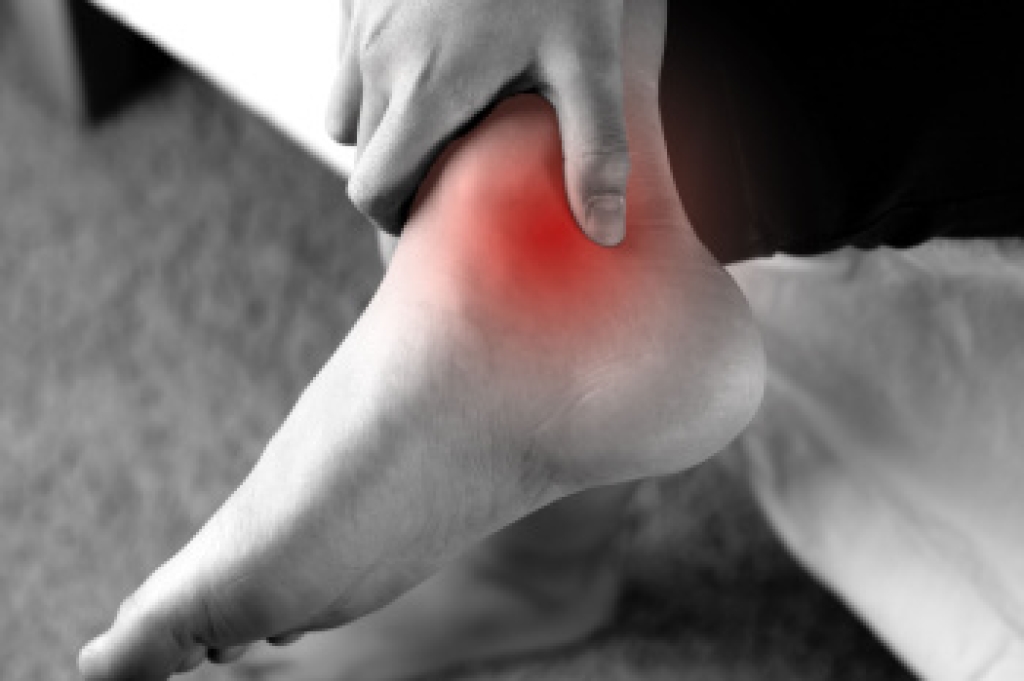
Tarsal tunnel syndrome is caused by compression of the posterior tibial nerve as it travels along the inside of the ankle. This pressure can disrupt normal nerve signals and lead to ongoing discomfort. People with this condition may notice burning, tingling, or shooting pain that travels into the heel, arch, or toes. Symptoms can worsen with activity or prolonged standing, and may feel similar to other foot conditions. Causes often include swelling, injury, flat feet, or structural changes that place stress on the nerve. Untreated compression can lead to increased pain and reduced function. A podiatrist can perform a detailed evaluation, identify the source of pressure, and provide targeted treatment to relieve nerve irritation. If symptoms continue or worsen, it is strongly suggested that you consult a podiatrist for an accurate diagnosis and expert care.

Tarsal tunnel syndrome can be very uncomfortable to live with. If you are experiencing tarsal tunnel syndrome, contact Dr. Richard Silverstein of Union Foot Care. Our doctor can provide the care you need to keep you pain-free and on your feet.

Tarsal Tunnel Syndrome

Tarsal tunnel syndrome, which can also be called tibial nerve dysfunction, is an uncommon condition of misfiring peripheral nerves in the foot. The tibial nerve is the peripheral nerve in the leg responsible for sensation and movement of the foot and calf muscles. In tarsal tunnel syndrome, the tibial nerve is damaged, causing problems with movement and feeling in the foot of the affected leg.

Common Cause of Tarsal Tunnel Syndrome

  • Involves pressure or an injury, direct pressure on the tibial nerve for an extended period of time, sometimes caused by other body structures close by or near the knee.
  • Diseases that damage nerves, including diabetes, may cause tarsal tunnel syndrome.
  • At times, tarsal tunnel syndrome can appear without an obvious cause in some cases.

The Effects of Tarsal Tunnel Syndrome

  • Different sensations, an afflicted person may experience pain, tingling, burning or other unusual sensations in the foot of the affected leg.
  • The foot muscles, toes and ankle become weaker, and curling your toes or flexing your foot can become difficult.
  • If condition worsens, infections and ulcers may develop on the foot that is experiencing the syndrome.

A physical exam of the leg can help identify the presence of tarsal tunnel syndrome. Medical tests, such as a nerve biopsy, are also used to diagnose the condition. Patients may receive physical therapy and prescriptive medication. In extreme cases, some may require surgery.

If you have any questions please contact our office located in Havre de Grace, MD . We offer the newest diagnostic and treatment technologies for all your foot and ankle needs.

Read more about Treating Tarsal Tunnel Syndrome

Gout Pain Can Be Managed

Gout is a painful, inflammatory form of arthritis. Those affected will typically feel an intense stiffness in the joints of their feet, particularly in the big toe. Schedule a visit to learn about how gout can be managed and treated.

Connect With Us