
Connect With Us
Blog
Items filtered by date: August 2019
Tuesday, 27 August 2019 00:00
Achilles Tendon and Overuse
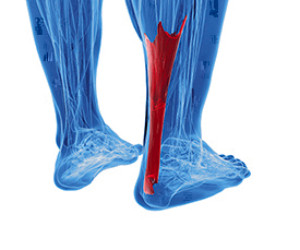 The Achilles tendon is known to be the largest tendon in the body. It connects the calf muscles to the heel, and it enables us to walk and perform running and jumping activities. Tendonitis may develop as a result of gradual damage that can stem from overuse. Patients who experience this type of injury typically have pain and discomfort in their calf and heel area. Additionally, it may be difficult to flex the foot, and there can be tenderness upon arising in the morning. Many patients may find relief by performing certain stretches that can strengthen the calf muscles. It may also be beneficial to wear orthotics as they can help heal an Achilles tendon injury. After a proper diagnosis is performed, which typically consists of having and MRI or X-ray taken, the correct treatment methods can begin. If you have endured this type of injury, it is suggested that you consult with a podiatrist who can offer you the best treatment options.
Achilles tendon injuries need immediate attention to avoid future complications. If you have any concerns, contact Dr. Richard Silverstein of Union Foot Care. Our doctor can provide the care you need to keep you pain-free and on your feet.
What Is the Achilles Tendon?
The Achilles tendon is a tendon that connects the lower leg muscles and calf to the heel of the foot. It is the strongest tendon in the human body and is essential for making movement possible. Because this tendon is such an integral part of the body, any injuries to it can create immense difficulties and should immediately be presented to a doctor.
What Are the Symptoms of an Achilles Tendon Injury?
There are various types of injuries that can affect the Achilles tendon. The two most common injuries are Achilles tendinitis and ruptures of the tendon.
Achilles Tendinitis Symptoms
- Inflammation
- Dull to severe pain
- Increased blood flow to the tendon
- Thickening of the tendon
Rupture Symptoms
- Extreme pain and swelling in the foot
- Total immobility
Treatment and Prevention
Achilles tendon injuries are diagnosed by a thorough physical evaluation, which can include an MRI. Treatment involves rest, physical therapy, and in some cases, surgery. However, various preventative measures can be taken to avoid these injuries, such as:
- Thorough stretching of the tendon before and after exercise
- Strengthening exercises like calf raises, squats, leg curls, leg extensions, leg raises, lunges, and leg presses
If you have any questions please feel free to contact our office located in Havre de Grace, MD . We offer the newest diagnostic tools and technology to treat your foot and ankle needs.
Tuesday, 27 August 2019 00:00
Achilles Tendon and Overuse
The Achilles tendon is known to be the largest tendon in the body. It connects the calf muscles to the heel, and it enables us to walk and perform running and jumping activities. Tendonitis may develop as a result of gradual damage that can stem from overuse. Patients who experience this type of injury typically have pain and discomfort in their calf and heel area. Additionally, it may be difficult to flex the foot, and there can be tenderness upon arising in the morning. Many patients may find relief by performing certain stretches that can strengthen the calf muscles. It may also be beneficial to wear orthotics as they can help heal an Achilles tendon injury. After a proper diagnosis is performed, which typically consists of having and MRI or X-ray taken, the correct treatment methods can begin. If you have endured this type of injury, it is suggested that you consult with a podiatrist who can offer you the best treatment options.
Achilles tendon injuries need immediate attention to avoid future complications. If you have any concerns, contact Dr. Richard Silverstein of Union Foot Care. Our doctor can provide the care you need to keep you pain-free and on your feet.
What Is the Achilles Tendon?
The Achilles tendon is a tendon that connects the lower leg muscles and calf to the heel of the foot. It is the strongest tendon in the human body and is essential for making movement possible. Because this tendon is such an integral part of the body, any injuries to it can create immense difficulties and should immediately be presented to a doctor.
What Are the Symptoms of an Achilles Tendon Injury?
There are various types of injuries that can affect the Achilles tendon. The two most common injuries are Achilles tendinitis and ruptures of the tendon.
Achilles Tendinitis Symptoms
- Inflammation
- Dull to severe pain
- Increased blood flow to the tendon
- Thickening of the tendon
Rupture Symptoms
- Extreme pain and swelling in the foot
- Total immobility
Treatment and Prevention
Achilles tendon injuries are diagnosed by a thorough physical evaluation, which can include an MRI. Treatment involves rest, physical therapy, and in some cases, surgery. However, various preventative measures can be taken to avoid these injuries, such as:
- Thorough stretching of the tendon before and after exercise
- Strengthening exercises like calf raises, squats, leg curls, leg extensions, leg raises, lunges, and leg presses
If you have any questions please feel free to contact our office located in Havre de Grace, MD . We offer the newest diagnostic tools and technology to treat your foot and ankle needs.
Read more about Achilles Tendon Injuries
Monday, 19 August 2019 00:00
Flat Feet Symptoms and Causes
You have flat feet when the en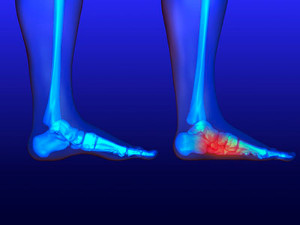 tire soles of your feet can touch the floor when you stand up. It is a very common and usually painless condition that occurs when the arches do not develop during childhood. It can also happen after an injury or from the stress brought upon by age. The majority of people that have flat feet will not show any signs or symptoms. Occasionally foot pain can surface in the heel or arch area. Flat feet is most common in infants and toddlers as the arches of their feet have yet to develop at this age. Most arches will develop throughout childhood, but there are some that will never develop them. Factors that can increase your risk of flat feet include obesity, diabetes, rheumatoid arthritis, injury to the foot or ankle and aging. If you are experiencing pain as a result of flat feet, it is advised that you consult with a podiatrist.
Flatfoot is a condition many people suffer from. If you have flat feet, contact Dr. Richard Silverstein from Union Foot Care. Our doctor will treat your foot and ankle needs.
What Are Flat Feet?
Flatfoot is a condition in which the arch of the foot is depressed and the sole of the foot is almost completely in contact with the ground. About 20-30% of the population generally has flat feet because their arches never formed during growth.
Conditions & Problems:
Having flat feet makes it difficult to run or walk because of the stress placed on the ankles.
Alignment – The general alignment of your legs can be disrupted, because the ankles move inward which can cause major discomfort.
Knees – If you have complications with your knees, flat feet can be a contributor to arthritis in that area.
Symptoms
- Pain around the heel or arch area
- Trouble standing on the tip toe
- Swelling around the inside of the ankle
- Flat look to one or both feet
- Having your shoes feel uneven when worn
Treatment
If you are experiencing pain and stress on the foot you may weaken the posterior tibial tendon, which runs around the inside of the ankle.
If you have any questions please feel free to contact our office located in Havre de Grace, MD . We offer the newest diagnostic and treatment technologies for all your foot and ankle needs.
Monday, 19 August 2019 00:00
Flat Feet Symptoms and Causes
You have flat feet when the entire soles of your feet can touch the floor when you stand up. It is a very common and usually painless condition that occurs when the arches do not develop during childhood. It can also happen after an injury or from the stress brought upon by age. The majority of people that have flat feet will not show any signs or symptoms. Occasionally foot pain can surface in the heel or arch area. Flat feet is most common in infants and toddlers as the arches of their feet have yet to develop at this age. Most arches will develop throughout childhood, but there are some that will never develop them. Factors that can increase your risk of flat feet include obesity, diabetes, rheumatoid arthritis, injury to the foot or ankle and aging. If you are experiencing pain as a result of flat feet, it is advised that you consult with a podiatrist.
Flatfoot is a condition many people suffer from. If you have flat feet, contact Dr. Richard Silverstein from Union Foot Care. Our doctor will treat your foot and ankle needs.
What Are Flat Feet?
Flatfoot is a condition in which the arch of the foot is depressed and the sole of the foot is almost completely in contact with the ground. About 20-30% of the population generally has flat feet because their arches never formed during growth.
Conditions & Problems:
Having flat feet makes it difficult to run or walk because of the stress placed on the ankles.
Alignment – The general alignment of your legs can be disrupted, because the ankles move inward which can cause major discomfort.
Knees – If you have complications with your knees, flat feet can be a contributor to arthritis in that area.
Symptoms
- Pain around the heel or arch area
- Trouble standing on the tip toe
- Swelling around the inside of the ankle
- Flat look to one or both feet
- Having your shoes feel uneven when worn
Treatment
If you are experiencing pain and stress on the foot you may weaken the posterior tibial tendon, which runs around the inside of the ankle.
If you have any questions please feel free to contact our office located in Havre de Grace, MD . We offer the newest diagnostic and treatment technologies for all your foot and ankle needs.
Tuesday, 13 August 2019 00:00
Swollen Feet and Ankles Can Be Common During Pregnancy
 The human body undergoes extensive changes during pregnancy, and many of these changes can affect the feet. A common condition that many pregnant women notice is swelling in the ankles and feet, and this is typically a result of increased blood pressure that can occur during pregnancy. The toenails may change shape, and this can cause ingrown toenails to develop. Additionally, flat feet is a common ailment during the latter stages of pregnancy, and this is often recognized by experiencing foot pain. Mild relief can be felt when the feet are elevated, and this may help to reduce existing swelling. If you are having chronic foot issues while pregnant, it is suggested that you speak with a podiatrist who can treat any foot condition
Pregnant women with swollen feet can be treated with a variety of different methods that are readily available. For more information about other cures for swollen feet during pregnancy, consult with Dr. Richard Silverstein from Union Foot Care. Our doctor will attend to all of your foot and ankle needs.
What Foot Problems Can Arise During Pregnancy?
One problem that can occur is overpronation, which occurs when the arch of the foot flattens and tends to roll inward. This can cause pain and discomfort in your heels while you’re walking or even just standing up, trying to support your baby.
Another problem is edema, or swelling in the extremities. This often affects the feet during pregnancy but tends to occur in the later stages.
How Can I Keep My Feet Healthy During Pregnancy?
- Wearing orthotics can provide extra support for the feet and help distribute weight evenly
- Minimize the amount of time spent walking barefoot
- Wear shoes with good arch support
- Wear shoes that allow for good circulation to the feet
- Elevate feet if you experience swelling
- Massage your feet
- Get regular, light exercise, such as walking, to promote blood circulation to the feet
If you have any questions please feel free to contact our office located in Havre de Grace, MD . We offer the newest diagnostic and treatment technologies for all your foot and ankle needs.
Tuesday, 13 August 2019 00:00
Swollen Feet and Ankles Can Be Common During Pregnancy
The human body undergoes extensive changes during pregnancy, and many of these changes can affect the feet. A common condition that many pregnant women notice is swelling in the ankles and feet, and this is typically a result of increased blood pressure that can occur during pregnancy. The toenails may change shape, and this can cause ingrown toenails to develop. Additionally, flat feet is a common ailment during the latter stages of pregnancy, and this is often recognized by experiencing foot pain. Mild relief can be felt when the feet are elevated, and this may help to reduce existing swelling. If you are having chronic foot issues while pregnant, it is suggested that you speak with a podiatrist who can treat any foot condition
Pregnant women with swollen feet can be treated with a variety of different methods that are readily available. For more information about other cures for swollen feet during pregnancy, consult with Dr. Richard Silverstein from Union Foot Care. Our doctor will attend to all of your foot and ankle needs.
What Foot Problems Can Arise During Pregnancy?
One problem that can occur is overpronation, which occurs when the arch of the foot flattens and tends to roll inward. This can cause pain and discomfort in your heels while you’re walking or even just standing up, trying to support your baby.
Another problem is edema, or swelling in the extremities. This often affects the feet during pregnancy but tends to occur in the later stages.
How Can I Keep My Feet Healthy During Pregnancy?
- Wearing orthotics can provide extra support for the feet and help distribute weight evenly
- Minimize the amount of time spent walking barefoot
- Wear shoes with good arch support
- Wear shoes that allow for good circulation to the feet
- Elevate feet if you experience swelling
- Massage your feet
- Get regular, light exercise, such as walking, to promote blood circulation to the feet
If you have any questions please feel free to contact our office located in Havre de Grace, MD . We offer the newest diagnostic and treatment technologies for all your foot and ankle needs.
Read more about Pregnancy and Foot Health
Tuesday, 06 August 2019 00:00
Types of Foot Pain
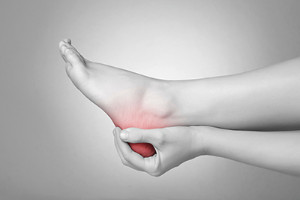 The feet are comprised of numerous bones, tendons, and ligaments, and are considered to be the foundation of the body. It is important to maintain proper foot care, as this can help to prevent different types of foot pain from occurring. The condition that is known as athlete’s foot may cause severe itching between the toes and on the bottom of the feet. It is caused by a fungus that lives in warm and damp environments, and may be avoided if appropriate shoes are worn while in public areas. A large bump that forms on the side of the big toe may be a bunion, and can develop from genetic factors, or from wearing shoes that do not fit correctly. Ingrown toenails often produce pain and discomfort, and may be avoided when the toenails are trimmed properly. If you have any type of foot pain, it is strongly suggested that you consult with a podiatrist who can offer the best course of treatment for you.
Foot Pain
Foot pain can be extremely painful and debilitating. If you have a foot pain, consult with Dr. Richard Silverstein from Union Foot Care. Our doctor will assess your condition and provide you with quality foot and ankle treatment.
Causes
Foot pain is a very broad condition that could be caused by one or more ailments. The most common include:
- Bunions
- Hammertoes
- Plantar Fasciitis
- Bone Spurs
- Corns
- Tarsal Tunnel Syndrome
- Ingrown Toenails
- Arthritis (such as Gout, Rheumatoid, and Osteoarthritis)
- Flat Feet
- Injury (from stress fractures, broken toe, foot, ankle, Achilles tendon ruptures, and sprains)
- And more
Diagnosis
To figure out the cause of foot pain, podiatrists utilize several different methods. This can range from simple visual inspections and sensation tests to X-rays and MRI scans. Prior medical history, family medical history, and any recent physical traumatic events will all be taken into consideration for a proper diagnosis.
Treatment
Treatment depends upon the cause of the foot pain. Whether it is resting, staying off the foot, or having surgery; podiatrists have a number of treatment options available for foot pain.
If you have any questions, please feel free to contact our office located in Havre de Grace, MD . We offer the newest diagnostic and treatment technologies for all your foot care needs.
Tuesday, 06 August 2019 00:00
Types of Foot Pain
The feet are comprised of numerous bones, tendons, and ligaments, and are considered to be the foundation of the body. It is important to maintain proper foot care, as this can help to prevent different types of foot pain from occurring. The condition that is known as athlete’s foot may cause severe itching between the toes and on the bottom of the feet. It is caused by a fungus that lives in warm and damp environments, and may be avoided if appropriate shoes are worn while in public areas. A large bump that forms on the side of the big toe may be a bunion, and can develop from genetic factors, or from wearing shoes that do not fit correctly. Ingrown toenails often produce pain and discomfort, and may be avoided when the toenails are trimmed properly. If you have any type of foot pain, it is strongly suggested that you consult with a podiatrist who can offer the best course of treatment for you.
Foot Pain
Foot pain can be extremely painful and debilitating. If you have a foot pain, consult with Dr. Richard Silverstein from Union Foot Care. Our doctor will assess your condition and provide you with quality foot and ankle treatment.
Causes
Foot pain is a very broad condition that could be caused by one or more ailments. The most common include:
- Bunions
- Hammertoes
- Plantar Fasciitis
- Bone Spurs
- Corns
- Tarsal Tunnel Syndrome
- Ingrown Toenails
- Arthritis (such as Gout, Rheumatoid, and Osteoarthritis)
- Flat Feet
- Injury (from stress fractures, broken toe, foot, ankle, Achilles tendon ruptures, and sprains)
- And more
Diagnosis
To figure out the cause of foot pain, podiatrists utilize several different methods. This can range from simple visual inspections and sensation tests to X-rays and MRI scans. Prior medical history, family medical history, and any recent physical traumatic events will all be taken into consideration for a proper diagnosis.
Treatment
Treatment depends upon the cause of the foot pain. Whether it is resting, staying off the foot, or having surgery; podiatrists have a number of treatment options available for foot pain.
If you have any questions, please feel free to contact our office located in Havre de Grace, MD . We offer the newest diagnostic and treatment technologies for all your foot care needs.
Read more about Foot PainBlog Archives
- July 2024
- June 2024
- May 2024
- April 2024
- March 2024
- February 2024
- January 2024
- December 2023
- November 2023
- October 2023
- September 2023
- August 2023
- July 2023
- June 2023
- May 2023
- April 2023
- March 2023
- February 2023
- January 2023
- December 2022
- November 2022
- October 2022
- September 2022
- August 2022
- July 2022
- June 2022
- May 2022
- April 2022
- March 2022
- February 2022
- January 2022
- December 2021
- November 2021
- October 2021
- September 2021
- August 2021
- July 2021
- June 2021
- May 2021
- April 2021
- March 2021
- February 2021
- January 2021
- December 2020
- November 2020
- October 2020
- September 2020
- August 2020
- July 2020
- June 2020
- May 2020
- April 2020
- March 2020
- February 2020
- January 2020
- December 2019
- November 2019
- October 2019
- September 2019
- August 2019
- July 2019
- June 2019
- May 2019
- April 2019
- March 2019
- February 2019
- January 2019
- December 2018
- November 2018
- October 2018
- September 2018
- August 2018
- July 2018
- June 2018
- May 2018
- April 2018
- March 2018
- February 2018
- January 2018
- December 2017
- November 2017
- October 2017
- September 2017
- August 2017
- July 2017
- June 2017
- May 2017
- April 2017
- March 2017
- February 2017
- January 2017
- December 2016
- November 2016
- October 2016
- September 2016
- August 2016
- July 2016
- June 2016
- May 2016
