Connect With Us
Blog
Items filtered by date: May 2021
Monday, 24 May 2021 00:00
Symptoms of Diabetic Neuropathy
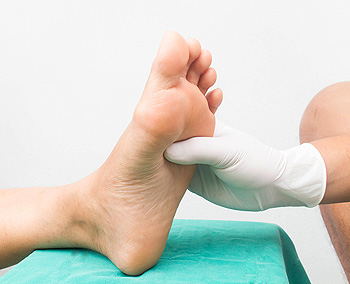 Diabetic neuropathy is a common complication of diabetes that causes nerve damage in the hands and feet. Neuropathy tends to develop slowly, sometimes over several decades, so people with diabetes are urged to closely monitor their foot health. The symptoms of diabetic neuropathy include a “pins and needles” sensation in the feet, sensitivity to touch or a loss of touch, pain, numbness, tingling, burning, difficulties with coordination while walking, and muscle weakness. Diabetic neuropathy can be dangerous and lead to serious complications, as the loss of sensation that it causes in the feet can make foot wounds more likely to form. These wounds tend to heal poorly and may become infected. If you have diabetes, a podiatrist can help you maintain the health of your feet.
Neuropathy
Neuropathy can be a potentially serious condition, especially if it is left undiagnosed. If you have any concerns that you may be experiencing nerve loss in your feet, consult with Dr. Richard Silverstein from Union Foot Care. Our doctor will assess your condition and provide you with quality foot and ankle treatment for neuropathy.
What Is Neuropathy?
Neuropathy is a condition that leads to damage to the nerves in the body. Peripheral neuropathy, or neuropathy that affects your peripheral nervous system, usually occurs in the feet. Neuropathy can be triggered by a number of different causes. Such causes include diabetes, infections, cancers, disorders, and toxic substances.
Symptoms of Neuropathy Include:
- Numbness
- Sensation loss
- Prickling and tingling sensations
- Throbbing, freezing, burning pains
- Muscle weakness
Those with diabetes are at serious risk due to being unable to feel an ulcer on their feet. Diabetics usually also suffer from poor blood circulation. This can lead to the wound not healing, infections occurring, and the limb may have to be amputated.
Treatment
To treat neuropathy in the foot, podiatrists will first diagnose the cause of the neuropathy. Figuring out the underlying cause of the neuropathy will allow the podiatrist to prescribe the best treatment, whether it be caused by diabetes, toxic substance exposure, infection, etc. If the nerve has not died, then it’s possible that sensation may be able to return to the foot.
Pain medication may be issued for pain. Electrical nerve stimulation can be used to stimulate nerves. If the neuropathy is caused from pressure on the nerves, then surgery may be necessary.
If you have any questions, please feel free to contact our office located in Havre de Grace, MD . We offer the newest diagnostic and treatment technologies for all your foot care needs.
Read more about Neuropathy
Monday, 24 May 2021 00:00
Symptoms of Diabetic Neuropathy
Diabetic neuropathy is a common complication of diabetes that causes nerve damage in the hands and feet. Neuropathy tends to develop slowly, sometimes over several decades, so people with diabetes are urged to closely monitor their foot health. The symptoms of diabetic neuropathy include a “pins and needles” sensation in the feet, sensitivity to touch or a loss of touch, pain, numbness, tingling, burning, difficulties with coordination while walking, and muscle weakness. Diabetic neuropathy can be dangerous and lead to serious complications, as the loss of sensation that it causes in the feet can make foot wounds more likely to form. These wounds tend to heal poorly and may become infected. If you have diabetes, a podiatrist can help you maintain the health of your feet.
Neuropathy
Neuropathy can be a potentially serious condition, especially if it is left undiagnosed. If you have any concerns that you may be experiencing nerve loss in your feet, consult with Dr. Richard Silverstein from Union Foot Care. Our doctor will assess your condition and provide you with quality foot and ankle treatment for neuropathy.
What Is Neuropathy?
Neuropathy is a condition that leads to damage to the nerves in the body. Peripheral neuropathy, or neuropathy that affects your peripheral nervous system, usually occurs in the feet. Neuropathy can be triggered by a number of different causes. Such causes include diabetes, infections, cancers, disorders, and toxic substances.
Symptoms of Neuropathy Include:
- Numbness
- Sensation loss
- Prickling and tingling sensations
- Throbbing, freezing, burning pains
- Muscle weakness
Those with diabetes are at serious risk due to being unable to feel an ulcer on their feet. Diabetics usually also suffer from poor blood circulation. This can lead to the wound not healing, infections occurring, and the limb may have to be amputated.
Treatment
To treat neuropathy in the foot, podiatrists will first diagnose the cause of the neuropathy. Figuring out the underlying cause of the neuropathy will allow the podiatrist to prescribe the best treatment, whether it be caused by diabetes, toxic substance exposure, infection, etc. If the nerve has not died, then it’s possible that sensation may be able to return to the foot.
Pain medication may be issued for pain. Electrical nerve stimulation can be used to stimulate nerves. If the neuropathy is caused from pressure on the nerves, then surgery may be necessary.
If you have any questions, please feel free to contact our office located in Havre de Grace, MD . We offer the newest diagnostic and treatment technologies for all your foot care needs.
Thursday, 20 May 2021 00:00
It's Time for Beautiful Feet

You don't need an excuse to have beautiful nails. Step outside without worrying about the appearance of your feet.
Thursday, 20 May 2021 00:00
It's Time for Beautiful Feet
You don't need an excuse to have beautiful nails. Step outside without worrying about the appearance of your feet.
Monday, 17 May 2021 00:00
What to Do if You Have Morton's Neuroma

Morton’s neuroma is a condition in which the nerve tissue located in the ball of the foot, between the toes, becomes inflamed. This causes symptoms such as sharp pain in the bottom of the foot, tingling, burning, numbness, or the sensation that you are walking on a pebble or that something is stuck in the ball of your foot. Morton’s neuroma can often fully resolve with conservative treatments such as resting and icing the foot, wearing wide and comfortable shoes, wearing orthotic inserts, and taking over the counter medications to reduce pain. Your podiatrist can also relieve Morton’s neuroma pain by injecting cortisone directly into the foot. In rare cases, symptoms may be persistent and could require surgical intervention. Consult with a podiatrist to find out which treatment method would be best for you.
Morton’s neuroma is a very uncomfortable condition to live with. If you think you have Morton’s neuroma, contact Dr. Richard Silverstein of Union Foot Care. Our doctor will attend to all of your foot care needs and answer any of your related questions.
Morton’s Neuroma
Morton's neuroma is a painful foot condition that commonly affects the areas between the second and third or third and fourth toe, although other areas of the foot are also susceptible. Morton’s neuroma is caused by an inflamed nerve in the foot that is being squeezed and aggravated by surrounding bones.
What Increases the Chances of Having Morton’s Neuroma?
- Ill-fitting high heels or shoes that add pressure to the toe or foot
- Jogging, running or any sport that involves constant impact to the foot
- Flat feet, bunions, and any other foot deformities
Morton’s neuroma is a very treatable condition. Orthotics and shoe inserts can often be used to alleviate the pain on the forefront of the feet. In more severe cases, corticosteroids can also be prescribed. In order to figure out the best treatment for your neuroma, it’s recommended to seek the care of a podiatrist who can diagnose your condition and provide different treatment options.
If you have any questions, please feel free to contact our office located in Havre de Grace, MD . We offer the newest diagnostic and treatment technologies for all your foot care needs.
Read more about Morton's Neuroma
Monday, 17 May 2021 00:00
What to Do if You Have Morton's Neuroma
Morton’s neuroma is a condition in which the nerve tissue located in the ball of the foot, between the toes, becomes inflamed. This causes symptoms such as sharp pain in the bottom of the foot, tingling, burning, numbness, or the sensation that you are walking on a pebble or that something is stuck in the ball of your foot. Morton’s neuroma can often fully resolve with conservative treatments such as resting and icing the foot, wearing wide and comfortable shoes, wearing orthotic inserts, and taking over the counter medications to reduce pain. Your podiatrist can also relieve Morton’s neuroma pain by injecting cortisone directly into the foot. In rare cases, symptoms may be persistent and could require surgical intervention. Consult with a podiatrist to find out which treatment method would be best for you.
Morton’s neuroma is a very uncomfortable condition to live with. If you think you have Morton’s neuroma, contact Dr. Richard Silverstein of Union Foot Care. Our doctor will attend to all of your foot care needs and answer any of your related questions.
Morton’s Neuroma
Morton's neuroma is a painful foot condition that commonly affects the areas between the second and third or third and fourth toe, although other areas of the foot are also susceptible. Morton’s neuroma is caused by an inflamed nerve in the foot that is being squeezed and aggravated by surrounding bones.
What Increases the Chances of Having Morton’s Neuroma?
- Ill-fitting high heels or shoes that add pressure to the toe or foot
- Jogging, running or any sport that involves constant impact to the foot
- Flat feet, bunions, and any other foot deformities
Morton’s neuroma is a very treatable condition. Orthotics and shoe inserts can often be used to alleviate the pain on the forefront of the feet. In more severe cases, corticosteroids can also be prescribed. In order to figure out the best treatment for your neuroma, it’s recommended to seek the care of a podiatrist who can diagnose your condition and provide different treatment options.
If you have any questions, please feel free to contact our office located in Havre de Grace, MD . We offer the newest diagnostic and treatment technologies for all your foot care needs.
Monday, 10 May 2021 00:00
Where Your Foot Pain May Be Coming From
 Foot pain can develop from a variety of factors that include injury/trauma, aging, and medical issues. Foot pain can also range from minor inconveniences to debilitating pain. Corns, which can form from wearing ill-fitting shoes or arthritis, are hard thickened areas of skin that form due to friction. Plantar warts, another skin condition, are fleshy growths that occur on the bottom of the feet due to a virus that spreads through small breaks in the skin. The most common cause of pain in the heel is plantar fasciitis. This occurs when the ligament running along the bottom of the foot is strained, putting stress on the heel. Because the foot is made up of 26 bones, a stress fracture or a fracture due to trauma can occur. Medical issues, such as diabetes, can lead to complications like neuropathy, and a patient’s diet can lead to issues such as gout. If you are struggling with pain in your feet, consulting with a podiatrist for a proper diagnosis and treatment is suggested.
Foot Pain
Foot pain can be extremely painful and debilitating. If you have a foot pain, consult with Dr. Richard Silverstein from Union Foot Care. Our doctor will assess your condition and provide you with quality foot and ankle treatment.
Causes
Foot pain is a very broad condition that could be caused by one or more ailments. The most common include:
- Bunions
- Hammertoes
- Plantar Fasciitis
- Bone Spurs
- Corns
- Tarsal Tunnel Syndrome
- Ingrown Toenails
- Arthritis (such as Gout, Rheumatoid, and Osteoarthritis)
- Flat Feet
- Injury (from stress fractures, broken toe, foot, ankle, Achilles tendon ruptures, and sprains)
- And more
Diagnosis
To figure out the cause of foot pain, podiatrists utilize several different methods. This can range from simple visual inspections and sensation tests to X-rays and MRI scans. Prior medical history, family medical history, and any recent physical traumatic events will all be taken into consideration for a proper diagnosis.
Treatment
Treatment depends upon the cause of the foot pain. Whether it is resting, staying off the foot, or having surgery; podiatrists have a number of treatment options available for foot pain.
If you have any questions, please feel free to contact our office located in Havre de Grace, MD . We offer the newest diagnostic and treatment technologies for all your foot care needs.
Monday, 10 May 2021 00:00
Where Your Foot Pain May Be Coming From
Foot pain can develop from a variety of factors that include injury/trauma, aging, and medical issues. Foot pain can also range from minor inconveniences to debilitating pain. Corns, which can form from wearing ill-fitting shoes or arthritis, are hard thickened areas of skin that form due to friction. Plantar warts, another skin condition, are fleshy growths that occur on the bottom of the feet due to a virus that spreads through small breaks in the skin. The most common cause of pain in the heel is plantar fasciitis. This occurs when the ligament running along the bottom of the foot is strained, putting stress on the heel. Because the foot is made up of 26 bones, a stress fracture or a fracture due to trauma can occur. Medical issues, such as diabetes, can lead to complications like neuropathy, and a patient’s diet can lead to issues such as gout. If you are struggling with pain in your feet, consulting with a podiatrist for a proper diagnosis and treatment is suggested.
Foot Pain
Foot pain can be extremely painful and debilitating. If you have a foot pain, consult with Dr. Richard Silverstein from Union Foot Care. Our doctor will assess your condition and provide you with quality foot and ankle treatment.
Causes
Foot pain is a very broad condition that could be caused by one or more ailments. The most common include:
- Bunions
- Hammertoes
- Plantar Fasciitis
- Bone Spurs
- Corns
- Tarsal Tunnel Syndrome
- Ingrown Toenails
- Arthritis (such as Gout, Rheumatoid, and Osteoarthritis)
- Flat Feet
- Injury (from stress fractures, broken toe, foot, ankle, Achilles tendon ruptures, and sprains)
- And more
Diagnosis
To figure out the cause of foot pain, podiatrists utilize several different methods. This can range from simple visual inspections and sensation tests to X-rays and MRI scans. Prior medical history, family medical history, and any recent physical traumatic events will all be taken into consideration for a proper diagnosis.
Treatment
Treatment depends upon the cause of the foot pain. Whether it is resting, staying off the foot, or having surgery; podiatrists have a number of treatment options available for foot pain.
If you have any questions, please feel free to contact our office located in Havre de Grace, MD . We offer the newest diagnostic and treatment technologies for all your foot care needs.
Monday, 03 May 2021 00:00
Why Is My Toenail Ingrown?
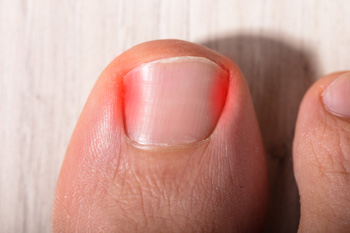
Ingrown toenails occur when a nail grows into the surrounding skin, rather than over it. This can cause symptoms such as pain, tenderness, redness, and swelling of the skin surrounding the ingrown toenail. While most ingrown toenails are not serious and often heal with home treatment, sometimes the area can become infected and require medical treatment. But what causes toenails to become ingrown anyway? Trauma to the toenail from stubbing the toe can lead to ingrown nails, as can wearing shoes that are too tight and push the nail into the skin, and trimming the toenails improperly. If you are prone to ingrown toenails, it is suggested that you see a podiatrist, who can assess your feet and advise you on how to prevent and treat ingrown toenails.
Ingrown toenails can become painful if they are not treated properly. For more information about ingrown toenails, contact Dr. Richard Silverstein of Union Foot Care. Our doctor can provide the care you need to keep you pain-free and on your feet.
Ingrown Toenails
Ingrown toenails occur when a toenail grows sideways into the bed of the nail, causing pain, swelling, and possibly infection.
Causes
- Bacterial infections
- Improper nail cutting such as cutting it too short or not straight across
- Trauma to the toe, such as stubbing, which causes the nail to grow back irregularly
- Ill-fitting shoes that bunch the toes too close together
- Genetic predisposition
Prevention
Because ingrown toenails are not something found outside of shoe-wearing cultures, going barefoot as often as possible will decrease the likeliness of developing ingrown toenails. Wearing proper fitting shoes and using proper cutting techniques will also help decrease your risk of developing ingrown toenails.
Treatment
Ingrown toenails are a very treatable foot condition. In minor cases, soaking the affected area in salt or antibacterial soaps will not only help with the ingrown nail itself, but also help prevent any infections from occurring. In more severe cases, surgery is an option. In either case, speaking to your podiatrist about this condition will help you get a better understanding of specific treatment options that are right for you.
If you have any questions please feel free to contact our office located in Havre de Grace, MD . We offer the newest diagnostic and treatment technologies for all your foot and ankle needs.
Read more about Ingrown Toenail Care
Monday, 03 May 2021 00:00
Why Is My Toenail Ingrown?
Ingrown toenails occur when a nail grows into the surrounding skin, rather than over it. This can cause symptoms such as pain, tenderness, redness, and swelling of the skin surrounding the ingrown toenail. While most ingrown toenails are not serious and often heal with home treatment, sometimes the area can become infected and require medical treatment. But what causes toenails to become ingrown anyway? Trauma to the toenail from stubbing the toe can lead to ingrown nails, as can wearing shoes that are too tight and push the nail into the skin, and trimming the toenails improperly. If you are prone to ingrown toenails, it is suggested that you see a podiatrist, who can assess your feet and advise you on how to prevent and treat ingrown toenails.
Ingrown toenails can become painful if they are not treated properly. For more information about ingrown toenails, contact Dr. Richard Silverstein of Union Foot Care. Our doctor can provide the care you need to keep you pain-free and on your feet.
Ingrown Toenails
Ingrown toenails occur when a toenail grows sideways into the bed of the nail, causing pain, swelling, and possibly infection.
Causes
- Bacterial infections
- Improper nail cutting such as cutting it too short or not straight across
- Trauma to the toe, such as stubbing, which causes the nail to grow back irregularly
- Ill-fitting shoes that bunch the toes too close together
- Genetic predisposition
Prevention
Because ingrown toenails are not something found outside of shoe-wearing cultures, going barefoot as often as possible will decrease the likeliness of developing ingrown toenails. Wearing proper fitting shoes and using proper cutting techniques will also help decrease your risk of developing ingrown toenails.
Treatment
Ingrown toenails are a very treatable foot condition. In minor cases, soaking the affected area in salt or antibacterial soaps will not only help with the ingrown nail itself, but also help prevent any infections from occurring. In more severe cases, surgery is an option. In either case, speaking to your podiatrist about this condition will help you get a better understanding of specific treatment options that are right for you.
If you have any questions please feel free to contact our office located in Havre de Grace, MD . We offer the newest diagnostic and treatment technologies for all your foot and ankle needs.
Blog Archives
- July 2024
- June 2024
- May 2024
- April 2024
- March 2024
- February 2024
- January 2024
- December 2023
- November 2023
- October 2023
- September 2023
- August 2023
- July 2023
- June 2023
- May 2023
- April 2023
- March 2023
- February 2023
- January 2023
- December 2022
- November 2022
- October 2022
- September 2022
- August 2022
- July 2022
- June 2022
- May 2022
- April 2022
- March 2022
- February 2022
- January 2022
- December 2021
- November 2021
- October 2021
- September 2021
- August 2021
- July 2021
- June 2021
- May 2021
- April 2021
- March 2021
- February 2021
- January 2021
- December 2020
- November 2020
- October 2020
- September 2020
- August 2020
- July 2020
- June 2020
- May 2020
- April 2020
- March 2020
- February 2020
- January 2020
- December 2019
- November 2019
- October 2019
- September 2019
- August 2019
- July 2019
- June 2019
- May 2019
- April 2019
- March 2019
- February 2019
- January 2019
- December 2018
- November 2018
- October 2018
- September 2018
- August 2018
- July 2018
- June 2018
- May 2018
- April 2018
- March 2018
- February 2018
- January 2018
- December 2017
- November 2017
- October 2017
- September 2017
- August 2017
- July 2017
- June 2017
- May 2017
- April 2017
- March 2017
- February 2017
- January 2017
- December 2016
- November 2016
- October 2016
- September 2016
- August 2016
- July 2016
- June 2016
- May 2016
