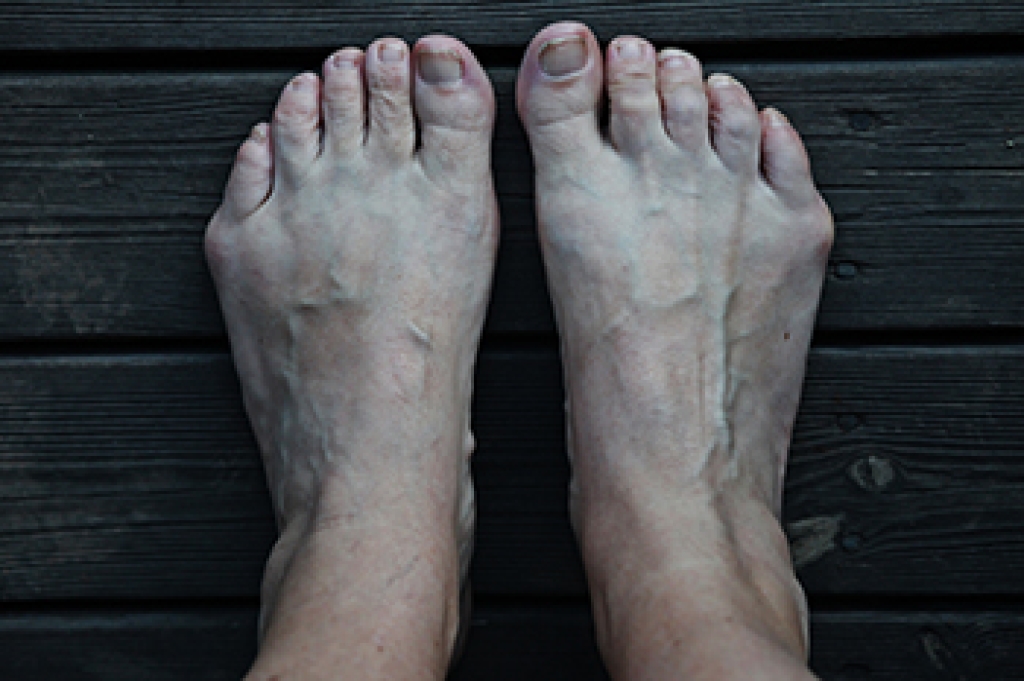
How Podiatrists Treat Painful Bunionettes

A bunionette is a bony bump on the outside of the foot at the base of the little toe. The bump forms when the fifth metatarsal, the bone behind the little toe, shifts outward or has an unusual shape. The little toe may lean inward. Pressure from shoes can irritate the area and cause redness, swelling, or a painful callus. Some patients feel pain beneath the joint rather than beside it. A podiatrist can determine whether the discomfort comes from a bunionette or another foot problem.

Treatment begins with an examination of the foot. The podiatrist checks the bump, skin, and little-toe joint. Weight-bearing X-rays can show the position and shape of the bones while the patient is standing. These images help the podiatrist select treatment that matches the deformity. Options include padding to reduce rubbing, professional callus care, and custom orthotics to improve pressure distribution. The podiatrist can also recommend shoes with a wide toe box and enough room along the outside of the foot. If swelling is severe, an injection may be considered to reduce inflammation. These measures do not remove the bump, but they can ease pressure and make standing or walking more comfortable.

Surgery can be considered when pain continues despite treatment or when the deformity limits activity. The chosen procedure depends on the location of the bump and the position of the fifth metatarsal. A surgeon may remove excess bone, realign the metatarsal, or correct the little toe. Recovery instructions depend on the procedure and can include protected weight-bearing in a special shoe. Follow-up visits allow the podiatrist to check healing and guide a safe return to regular shoes and activity. Patients should seek prompt care for worsening redness, open skin, or drainage around the bump. If you have a painful bunionette, it is suggested that you schedule an appointment with a podiatrist who can offer effective relief and management solutions.

If you are suffering from bunion pain, contact Dr. Richard Silverstein of Union Foot Care. Our doctor can provide the care you need to keep you pain-free and on your feet.

What Is a Bunion?

Bunions are painful bony bumps that usually develop on the inside of the foot at the joint of the big toe. As the deformity increases over time, it may become painful to walk and wear shoes. Women are more likely to exacerbate existing bunions since they often wear tight, narrow shoes that shift their toes together. Bunion pain can be relieved by wearing wider shoes with enough room for the toes.

Causes

  • Genetics – some people inherit feet that are more prone to bunion development
  • Inflammatory Conditions - rheumatoid arthritis and polio may cause bunion development

Symptoms

  • Redness and inflammation
  • Pain and tenderness
  • Callus or corns on the bump
  • Restricted motion in the big toe

In order to diagnose your bunion, your podiatrist may ask about your medical history, symptoms, and general health. Your doctor might also order an x-ray to take a closer look at your feet. Nonsurgical treatment options include orthotics, padding, icing, changes in footwear, and medication. If nonsurgical treatments don’t alleviate your bunion pain, surgery may be necessary.

If you have any questions, please feel free to contact our office located in Havre de Grace, MD . We offer the newest diagnostic and treatment technologies for all your foot care needs.


Read more about Bunions

Why Your Feet Hurt and When to See a Podiatrist

Foot pain can affect the heel, arch, or other areas of the foot and can make everyday movement difficult. Because the feet support the body with every step, persistent pain can interfere with work, exercise, and other daily activities. The discomfort may feel sharp, aching, or tender, depending on its cause. Some patients also notice swelling, stiffness, or numbness. Pain can develop after an injury, but it can also result from repeated stress or changes in foot structure. Shoes that lack proper support or do not fit correctly can add pressure to sensitive areas. 

Many types of problems can cause foot pain. Plantar fasciitis can produce heel pain, while bunions can lead to soreness around the big toe joint. Arthritis can cause joint pain and stiffness. Other possible causes include stress fractures, nerve irritation, and ingrown toenails. Medical conditions that affect circulation or nerves can also contribute to discomfort in the feet. The location of the pain and the symptoms that appear with it provide important clues about the cause. Pain that continues, becomes more severe, or changes the way a person walks should be evaluated rather than ignored.

A podiatrist can determine what is causing foot pain and recommend treatment based on the diagnosis. An exam can include checking the painful area, testing joint movement, and watching how the patient walks. X-rays or other imaging tests can help identify bone or joint problems. Treatment can include custom orthotics to improve support and reduce pressure. A podiatrist can also recommend changes in shoes or provide treatments that address the specific source of pain. Surgery can correct a structural problem or repair damaged tissue when other treatment options have not provided enough relief. If you are experiencing foot pain, it is suggested that you schedule an appointment with a podiatrist for a diagnosis and appropriate treatment.

Foot Pain

Foot pain can be extremely painful and debilitating. If you have a foot pain, consult with Dr. Richard Silverstein from Union Foot Care. Our doctor will assess your condition and provide you with quality foot and ankle treatment.

Causes

Foot pain is a very broad condition that could be caused by one or more ailments. The most common include:

  • Bunions
  • Hammertoes
  • Plantar Fasciitis
  • Bone Spurs
  • Corns
  • Tarsal Tunnel Syndrome
  • Ingrown Toenails
  • Arthritis (such as Gout, Rheumatoid, and Osteoarthritis)
  • Flat Feet
  • Injury (from stress fractures, broken toe, foot, ankle, Achilles tendon ruptures, and sprains)
  • And more

Diagnosis

To figure out the cause of foot pain, podiatrists utilize several different methods. This can range from simple visual inspections and sensation tests to X-rays and MRI scans. Prior medical history, family medical history, and any recent physical traumatic events will all be taken into consideration for a proper diagnosis.

Treatment

Treatment depends upon the cause of the foot pain. Whether it is resting, staying off the foot, or having surgery; podiatrists have a number of treatment options available for foot pain.

If you have any questions, please feel free to contact our office located in Havre de Grace, MD . We offer the newest diagnostic and treatment technologies for all your foot care needs.

Read more about Foot Pain

Foot Fusion Surgery for Painful and Damaged Joints

Foot fusion surgery, also called arthrodesis, joins damaged bones so they heal into one stable unit. It may be recommended when a foot joint causes ongoing pain, swelling, or difficulty walking. Fusion can involve the hind foot or midfoot, depending on the location of the problem. Hind-foot joints help provide stability and control movement near the heel and ankle. Common causes include arthritis, severe injuries, and damage that has not improved with other treatment.

A podiatrist may recommend fusion when a joint is too damaged to function comfortably or when painful movement continues despite non-surgical care. The purpose is to reduce painful joint motion and create a stable foundation for walking. Before surgery, the podiatrist reviews symptoms and medical history, examines foot alignment, and uses imaging to evaluate the affected bones and joints. During surgery, damaged cartilage is removed, the bones are positioned carefully, and screws or plates may hold them together while they heal.


Smoking, diabetes, and some medications may affect bone healing. The podiatrist discusses these concerns before surgery and provides instructions to improve surgical safety. After the procedure, the foot is protected with a splint, cast, or boot. Weight-bearing is restricted according to the surgical plan, and follow-up visits help the podiatrist check the incision, swelling, and early healing.


Recovery from foot fusion surgery takes time because the bones must grow together securely. The podiatrist may gradually increase weight-bearing, change protective devices, and use X-rays to confirm progress. Patients should follow activity restrictions and report unusual drainage, fever, or worsening pain. Although the fused joint loses motion, successful surgery can reduce pain and improve stability. If arthritis, injury, or deformity is limiting your mobility, it is suggested that you consult a podiatrist who can discuss the benefits of this type of foot surgery with you. 

Foot surgery is sometimes necessary to treat a foot ailment. To learn more, contact Dr. Richard Silverstein of Union Foot Care. Our doctor will assist you with all of your foot and ankle needs.

When Is Surgery Necessary?

Foot and ankle surgery is generally reserved for cases in which less invasive, conservative procedures have failed to alleviate the problem. Some of the cases in which surgery may be necessary include:

  • Removing foot deformities like bunions and bone spurs
  • Severe arthritis that has caused bone issues
  • Cosmetic reconstruction

What Types of Surgery Are There?

The type of surgery you receive will depend on the nature of the problem you have. Some of the possible surgeries include:

  • Bunionectomy for painful bunions
  • Surgical fusion for realignment of bones
  • Neuropathy decompression surgery to treat nerve damage

Benefits of Surgery

Although surgery is usually a last resort, it can provide more complete pain relief compared to non-surgical methods and may allow you to finally resume full activity.

Surgical techniques have also become increasingly sophisticated. Techniques like endoscopic surgery allow for smaller incisions and faster recovery times.

If you have any questions, please feel free to contact our office located in Havre de Grace, MD . We offer the newest diagnostic and treatment technologies for all your foot care needs.

Read more about Foot and Ankle Surgery

Podiatric Care for Ankle Pain and Injuries

Ankle pain can interfere with walking, exercise, and everyday activities that require movement. The ankle connects the leg to the foot and allows the foot to move up, down, and from side-to-side. Pain can develop suddenly after an injury or result from a condition. An ankle sprain is one possible cause. Arthritis and tendon irritation can also cause discomfort. Other causes include fractures, nerve compression, and poor alignment of the foot or leg. The cause can affect how long symptoms last and how severe they become.

Ankle pain can occur alone or appear with swelling, stiffness, and redness. Warmth surrounding the joint can also develop. These signs can help identify what is affecting the ankle. Sports that involve jumping or quick changes in direction can increase the chance of an ankle injury. Basketball and volleyball are examples. Wearing  shoes that lack proper support can also place added stress on the feet and ankles. Ankle instability can develop after a previous injury and make the joint feel weak or unreliable when standing or walking.

A podiatrist can examine the ankle, review how the injury occurred, and assess the way the foot moves. This evaluation can help identify whether pain comes from a sprain, arthritis, or another problem. Treatment can include a brace, splint, or orthotic insert depending on the cause and severity. Orthotic inserts are devices placed inside shoes to improve support and alignment. More serious ankle problems can require surgery. A podiatrist can also guide a patient toward safe movement as the ankle recovers. Proper diagnosis is important because different causes of ankle pain determine the approach to care. If you have ankle pain, it is suggested that you schedule an appointment with a podiatrist for a diagnosis and appropriate treatment.

Ankle pain can be caused by a number of problems and may be potentially serious. If you have ankle pain, consult with Dr. Richard Silverstein from Union Foot Care. Our doctor will assess your condition and provide you with quality foot and ankle treatment.

Ankle pain is any condition that causes pain in the ankle. Due to the fact that the ankle consists of tendons, muscles, bones, and ligaments, ankle pain can come from a number of different conditions.

Causes

The most common causes of ankle pain include:

  • Types of arthritis (rheumatoid, osteoarthritis, and gout)
  • Ankle sprains
  • Broken ankles
  • Achilles tendonitis
  • Achilles tendon rupture
  • Stress fractures
  • Bursitis
  • Tarsal tunnel syndrome
  • Plantar fasciitis

Symptoms

Symptoms of ankle injury vary based upon the condition. Pain may include general pain and discomfort, swelling, aching, redness, bruising, burning or stabbing sensations, and/or loss of sensation.

Diagnosis

Due to the wide variety of potential causes of ankle pain, podiatrists will utilize a number of different methods to properly diagnose ankle pain. This can include asking for personal and family medical histories and of any recent injuries. Further diagnosis may include sensation tests, a physical examination, and potentially x-rays or other imaging tests.

Treatment

Just as the range of causes varies widely, so do treatments. Some more common treatments are rest, ice packs, keeping pressure off the foot, orthotics and braces, medication for inflammation and pain, and surgery.

If you have any questions please feel free to contact our office located in Havre de Grace, MD . We offer the newest diagnostic tools and technology to treat your foot and ankle needs.

Read more about Ankle Pain

Reminder: When Was the Last Time...?

Custom orthotics, or shoe inserts, should be periodically replaced. Orthotics must fit properly to give you the best results. Protect your feet and ankles!

Connect With Us