How Pregnancy Can Affect Your Feet

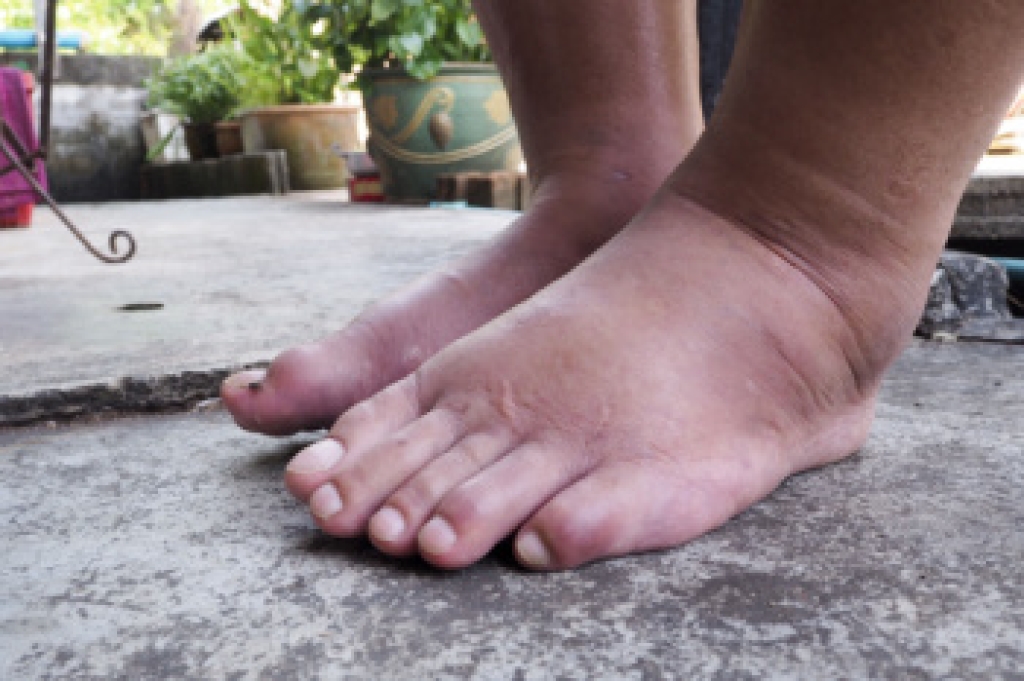
Pregnancy brings many changes to the body, and the feet are no exception. As pregnancy progresses, increased body weight and changing hormone levels can place extra stress on the feet and ankles. Many women experience foot pain, swelling, or changes in the shape of their feet during this time. Some also notice that their arches become lower, which can cause the feet to become slightly longer or wider. These changes may affect balance and make standing or walking less comfortable. Because pregnancy-related foot problems can interfere with daily activities, a professional evaluation is important when symptoms become persistent or severe. Early care can help identify the cause of discomfort and determine the most appropriate treatment plan.


Several factors contribute to foot changes during pregnancy. Hormones that help prepare the body for childbirth can also loosen the ligaments that support the feet, making the joints more flexible. Combined with added pressure from weight gain, these changes may increase the risk of flat feet, heel pain, or discomfort in the arches. Swelling around the feet and ankles is also common and may make shoes feel tighter than usual. A comprehensive podiatry examination allows foot structure, joint function, and walking patterns to be carefully evaluated. Identifying these changes early can help reduce discomfort and support healthy foot function throughout pregnancy.


A podiatrist can evaluate pregnancy-related foot pain and recommend treatment based on each patient's individual needs. Professional care focuses on improving comfort, supporting proper foot mechanics, and addressing conditions that may develop during pregnancy. Treatment plans are designed with both maternal health and mobility in mind, while also monitoring changes as pregnancy progresses. Ongoing podiatry care may also help identify developing foot problems before they become more significant after delivery. If you are experiencing foot pain, swelling, or noticeable changes in your feet during pregnancy, it is suggested that you consult a podiatrist for an evaluation and appropriate treatment options.

Pregnant women with swollen feet can be treated with a variety of different methods that are readily available. For more information about other cures for swollen feet during pregnancy, consult with Dr. Richard Silverstein from Union Foot Care. Our doctor will attend to all of your foot and ankle needs.

What Foot Problems Can Arise During Pregnancy?

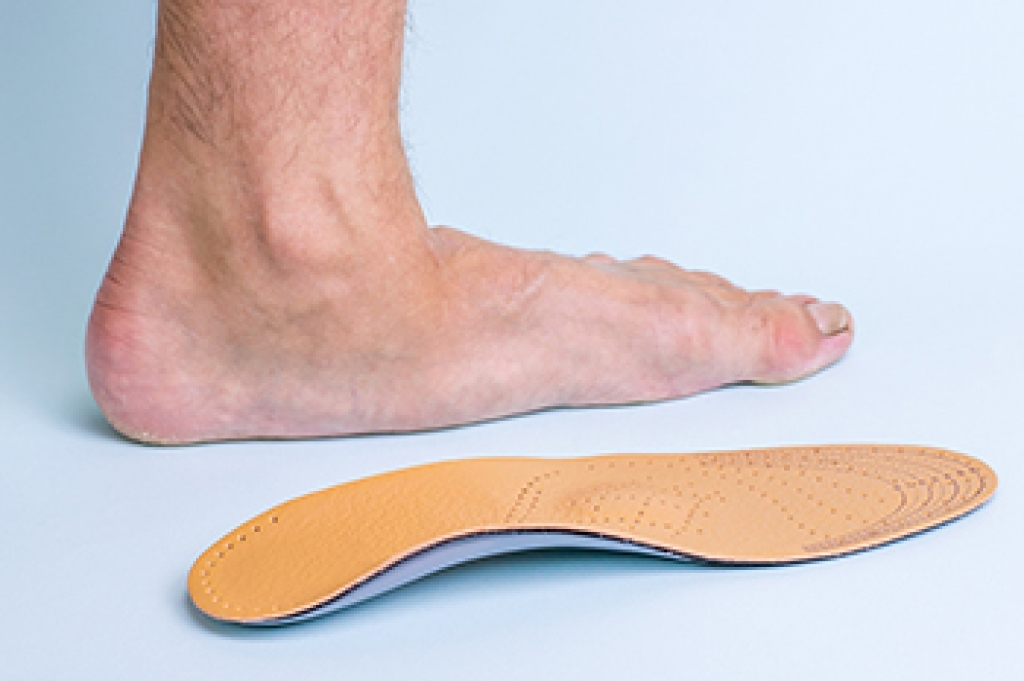
One problem that can occur is overpronation, which occurs when the arch of the foot flattens and tends to roll inward.  This can cause pain and discomfort in your heels while you’re walking or even just standing up, trying to support your baby.  

Another problem is edema, or swelling in the extremities. This often affects the feet during pregnancy but tends to occur in the later stages. 

How Can I Keep My Feet Healthy During Pregnancy?

  • Wearing orthotics can provide extra support for the feet and help distribute weight evenly
  • Minimize the amount of time spent walking barefoot
  • Wear shoes with good arch support
  • Wear shoes that allow for good circulation to the feet
  • Elevate feet if you experience swelling
  • Massage your feet
  • Get regular, light exercise, such as walking, to promote blood circulation to the feet

If you have any questions, please feel free to contact our office located in Havre de Grace, MD . We offer the newest diagnostic and treatment technologies for all your foot care needs.

Read more about Pregnancy and Foot Health

Understanding Arthritis and Its Effects on the Feet

Arthritis in the feet can make standing and walking painful while limiting everyday activity. Two forms that can affect the feet are rheumatoid arthritis and osteoarthritis. Rheumatoid arthritis causes inflammation that can damage joints and supporting tissues. Osteoarthritis involves changes in the protective cartilage within joints. Arthritis can lead to pain, stiffness, and changes in foot structure. These problems can alter the way a patient walks and increase pressure on certain parts of the foot. Foot symptoms can become especially challenging because the feet support the body with every step.

Rheumatoid arthritis can affect the joints and ligaments that help stabilize the feet. Changes can develop in the toes, forefoot, or rearfoot. Some patients develop bunions or hammer toes as the foot changes shape. Osteoarthritis can also affect joints within the foot and contribute to pain when weight is placed on them. Research suggests that foot structure can influence how forces travel through the feet and legs. Shoes can also affect pressure on painful joints. Shoes with enough room, proper support, and a comfortable fit can help reduce stress on sensitive areas.

A podiatrist can evaluate arthritic feet by examining joint movement, foot structure, and walking patterns. The evaluation can identify areas receiving excessive pressure and determine whether changes in foot mechanics are contributing to pain. Podiatric treatment can include custom orthotics, shoe recommendations, and modifications that reduce pressure on painful areas. Orthotics can help support the foot and change how weight is distributed while walking. A podiatrist can also monitor changes in foot shape and function that can occur with arthritis. Treatment is based on the type of arthritis and the problems affecting each patient's feet. If you have symptoms of arthritic foot pain, it is suggested that you schedule an appointment with a podiatrist for diagnosis and treatment.

Arthritis can be a difficult condition to live with. If you are seeking treatment, contact Dr. Richard Silverstein from Union Foot Care. Our doctor can provide the care you need to keep you pain-free and on your feet.

Arthritic Foot Care  

Arthritis is a term that is commonly used to describe joint pain.  The condition itself can occur to anyone of any age, race, or gender, and there are over 100 types of it.  Nevertheless, arthritis is more commonly found in women compared to men, and it is also more prevalent in those who are overweight. The causes of arthritis vary depending on which type of arthritis you have. Osteoarthritis for example, is often caused by injury, while rheumatoid arthritis is caused by a misdirected immune system.

Symptoms

  • Swelling
  • Pain
  • Stiffness
  • Decreased Range of Motion

Arthritic symptoms range in severity, and they may come and go. Some symptoms stay the same for several years but could potentially get worse with time. Severe cases of arthritis can prevent its sufferers from performing daily activities and make walking difficult.

Risk Factors

  • Occupation – Occupations requiring repetitive knee movements have been linked to osteoarthritis
  • Obesity – Excess weight can contribute to osteoarthritis development
  • Infection – Microbial agents can infect the joints and trigger arthritis
  • Joint Injuries – Damage to joints may lead to osteoarthritis
  • Age – Risk increases with age
  • Gender –Most types are more common in women
  • Genetics – Arthritis can be hereditary

If you suspect your arthritis is affecting your feet, it is crucial that you see a podiatrist immediately. Your doctor will be able to address your specific case and help you decide which treatment method is best for you.

If you have any questions please feel free to contact our office located in Havre de Grace, MD . We offer the newest diagnostic tools and technology to treat your foot and ankle needs.

Read more about How to Care for Your Arthritic Foot

Improving Foot Function With Flat Feet Treatment

Flat feet can affect more than the way a person stands or walks. The arches on the bottom of the feet help support the body and guide movement through the legs. When these arches are lower or flattened, the feet can move differently when walking. This change can affect how forces travel from the feet toward the ankles, knees, and hips. Knee osteoarthritis is a condition in which the tissues inside a joint become damaged, causing pain, stiffness, and reduced movement. Research has found an association between flat feet and knee osteoarthritis. People with flat feet and knee osteoarthritis can experience greater knee pain and reduced physical function. However, research does not show that flat feet directly cause knee osteoarthritis.

A podiatrist can examine the feet, ankles, and legs to determine how foot structure affects movement. The evaluation can include checking the height of the arches, observing how the feet move while walking, and assessing areas of pain or stiffness. A podiatrist can also consider the severity of knee symptoms when developing a treatment plan. This is important because flat feet can vary from mild to more pronounced changes in foot position. Research involving patients with knee osteoarthritis found that greater flat-foot severity was associated with more knee pain, stiffness, and difficulty with physical function. These findings suggest that foot structure should be considered when evaluating patients who have both flat feet and knee osteoarthritis.

Treatment from a podiatrist focuses on improving foot function and supporting comfortable movement. Depending on the patient's needs, care can include custom orthotics, footwear recommendations, and exercises designed to support foot and lower-leg function. Orthotics are inserts designed to support the foot and improve how pressure is distributed when walking. A podiatrist can also monitor changes in foot and knee symptoms and coordinate care with other healthcare providers when appropriate. Addressing foot mechanics does not cure knee osteoarthritis, but evaluating the feet can be an important part of managing symptoms and maintaining mobility. If you have symptoms of flat feet or knee osteoarthritis, it is suggested that you schedule an appointment with a podiatrist for a diagnosis and appropriate treatment.

Flatfoot is a condition many people suffer from. If you have flat feet, contact Dr. Richard Silverstein from Union Foot Care. Our doctor will treat your foot and ankle needs.

What Are Flat Feet?

Flatfoot is a condition in which the arch of the foot is depressed and the sole of the foot is almost completely in contact with the ground. About 20-30% of the population generally has flat feet because their arches never formed during growth.

Conditions & Problems:

Having flat feet makes it difficult to run or walk because of the stress placed on the ankles.

Alignment – The general alignment of your legs can be disrupted, because the ankles move inward which can cause major discomfort.

Knees – If you have complications with your knees, flat feet can be a contributor to arthritis in that area.  

Symptoms

  • Pain around the heel or arch area
  • Trouble standing on the tip toe
  • Swelling around the inside of the ankle
  • Flat look to one or both feet
  • Having your shoes feel uneven when worn

Treatment

If you are experiencing pain and stress on the foot you may weaken the posterior tibial tendon, which runs around the inside of the ankle. 

If you have any questions, please feel free to contact our office located in Havre de Grace, MD . We offer the newest diagnostic and treatment technologies for all your foot care needs.

Read more about Flat Feet

Plantar Warts Can Be Treated!

Plantar warts are small growths that develop on parts of the feet that bear weight. They're typically found on the bottom of the foot. Don't live with plantar warts, and call us today!

Common Causes of Swollen Feet

Swollen feet, also known as peripheral edema, occur when excess fluid builds up in the tissues of the lower extremities. This condition can affect one or both feet, and may develop gradually or suddenly. Common causes include prolonged sitting or standing, excess salt intake, and wearing shoes that are too small. Consuming too much liquid in a short period of time may also contribute to fluid retention in some individuals. While swelling is often temporary, it can signal an underlying issue when it persists.


Symptoms of swollen feet include visible puffiness, tight skin, and a feeling of heaviness in the lower legs. Individuals may notice difficulty fitting into shoes or indentations in the skin after pressure is applied. Discomfort, stiffness, and mild pain may also occur, especially after long periods of inactivity or standing. In some cases, swelling may worsen by the end of the day and improve with rest or elevation.


Risk factors for swollen feet include sedentary behavior, high sodium intake, and poor circulation. Individuals who sit or stand for extended periods of time may experience reduced blood flow, leading to fluid accumulation. Wearing restrictive footwear can limit circulation and increase pressure on the feet. Certain lifestyle habits and dietary patterns may further contribute to swelling, particularly when combined with limited physical activity.


Managing swollen feet involves simple but effective lifestyle changes. Elevating the feet, reducing salt intake, and choosing properly-fitted shoes can help improve circulation and reduce fluid buildup. Regular movement throughout the day also supports healthy blood flow. Recognizing the cause of swelling is important for proper care and prevention. If you have swollen feet or ankles, it is suggested that you consult a podiatrist who can determine what the cause is and offer effective relief and prevention tips.

Swollen feet can be a sign of an underlying condition. If you have any concerns, contact Dr. Richard Silverstein of Union Foot Care. Our doctor can provide the care you need to keep you pain-free and on your feet.

Swollen feet are a common ailment among pregnant women and people who stand or sit for extended periods. Aging may increase the possibility of swollen feet and patients who are obese often notice when their feet are swelling too. There may be medical reasons why swollen feet occur:

  • Phlebitis - A condition that causes the veins to become inflamed and can also cause leg pain.
  • Liver disease - This may lead to low blood levels of albumin which is a protein. This can cause fluid in the blood to pass into the tissues and several areas of the body can become swollen.
  • Heart failure - When the heart doesn’t pump properly the blood that is normally pumped back to the heart can pool in the veins of the legs causing swollen feet.
  • Kidney disease - One of the main functions of the kidneys is releasing excess fluid in the body. This type of condition can make it difficult for the kidneys to function properly, and as a result the feet may become swollen.
  • Deep-vein thrombosis (DVT)- This is a serious condition where blood clots form in the veins of the legs. They can block the return of blood from the legs to the heart which may cause the feet to swell. It is important to be treated by a podiatrist if this condition is present.

Swollen feet can also be caused by bone and tendon conditions, including fractures, arthritis, and tendinitis. Additionally, there may be skin and toenail conditions and an infection may cause the feet to swell. Patients who take medicine to treat high blood pressure may be prone to getting swollen feet. 

Many patients elevate their feet to help relieve the swelling and this is generally a temporary remedy. When a podiatrist is consulted the reason behind the swelling can be uncovered and subsequently treated.

If you have any questions please contact our office located in Havre de Grace, MD . We offer the newest diagnostic and treatment technologies for all your foot and ankle needs.

Read more about Swelling of the Feet

Connect With Us