Gout in the Feet and When to See a Podiatrist

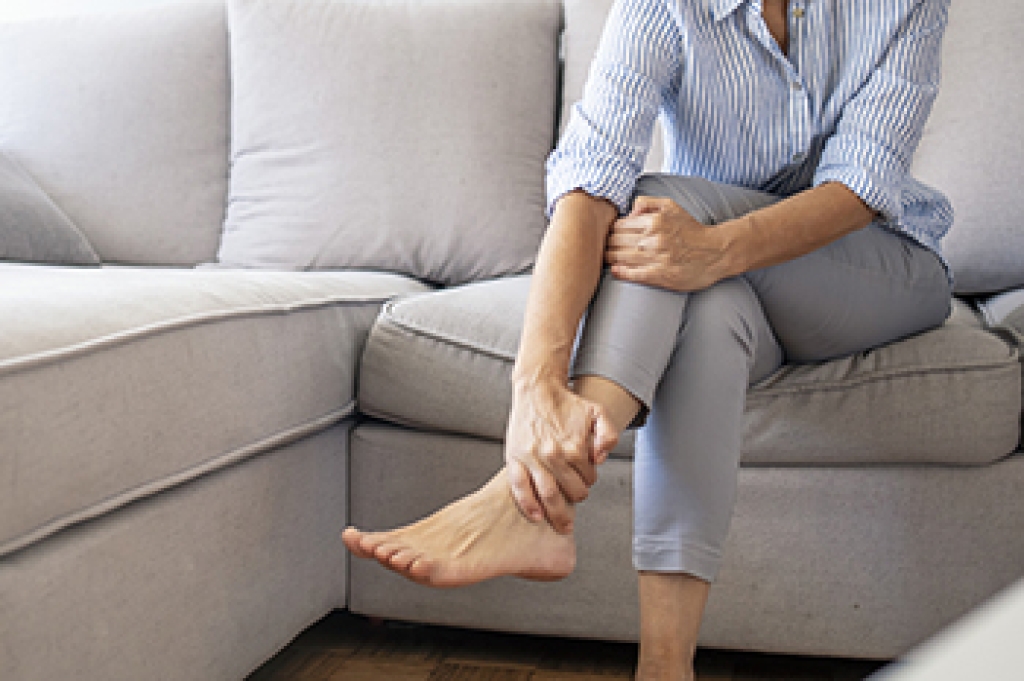
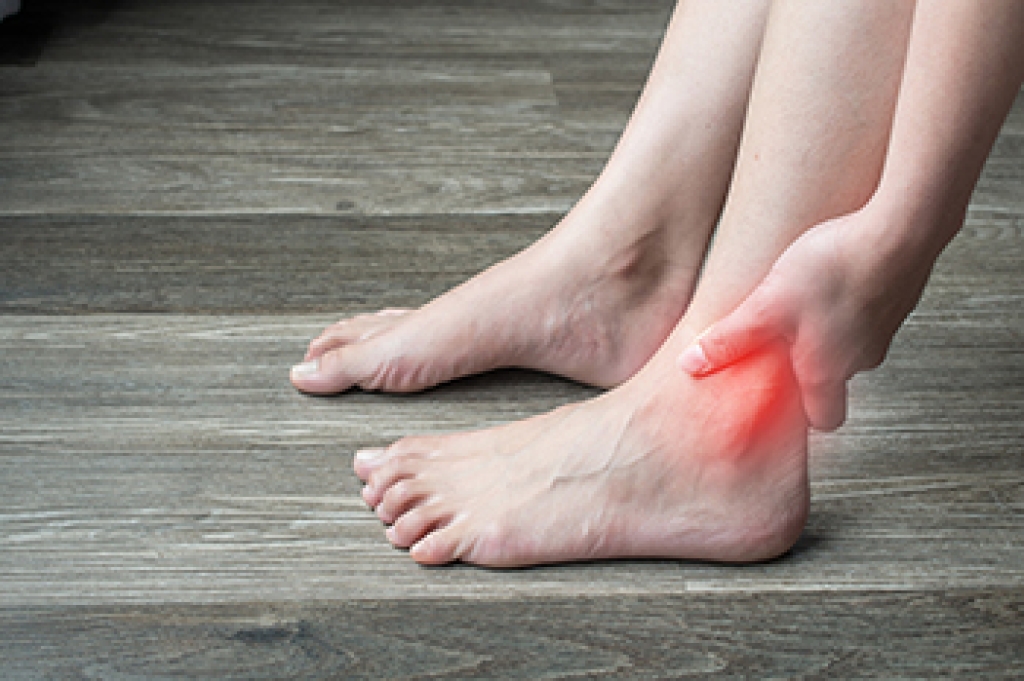
Gout is a form of inflammatory arthritis that often affects the feet and can cause sudden, intense pain. Although the big toe is the most common location, gout may also develop in the midfoot, ankle, or several joints at the same time. The condition occurs when crystals form inside a joint, triggering inflammation and severe discomfort. A gout flare may begin without warning and make standing or walking very difficult. Because symptoms can resemble other foot conditions, an accurate diagnosis is important before treatment begins. Identifying gout early can help prevent repeated flare-ups, reduce joint damage, and support better long-term foot health. Prompt evaluation is especially important when pain is severe or symptoms continue to return.


Symptoms of gout in the feet often appear quickly and may become severe within hours. Many people experience intense joint pain, swelling, or redness in the affected area. Others notice warmth around the joint or tenderness that makes even light pressure uncomfortable. During a flare, walking and wearing shoes may become difficult because movement increases discomfort. Although the big toe is commonly involved, gout can also affect the heel, ankle, or other joints in the foot. Repeated flare-ups may eventually damage the joints and reduce mobility if the condition is not properly managed. A professional evaluation can determine whether gout is the cause of your symptoms and help distinguish it from other sources of foot pain.


A podiatrist plays an important role in diagnosing and managing gout that affects the feet and ankles. During an examination, the podiatrist reviews your symptoms, evaluates the affected joints, and may recommend additional testing to confirm the diagnosis. Treatment focuses on relieving pain, protecting joint function, and reducing the impact gout has on everyday activities. Ongoing podiatry care can also help monitor changes in the feet and identify complications before they become more serious. If you are experiencing sudden foot pain, swelling, or redness that may be a sign of gout, it is suggested that you consult a podiatrist for an evaluation and appropriate treatment options.

Gout is a painful condition that can be treated. If you are seeking treatment, contact Dr. Richard Silverstein from Union Foot Care. Our doctor will treat your foot and ankle needs.

What Is Gout?

Gout is a form of arthritis that is characterized by sudden, severe attacks of pain, redness, and tenderness in the joints. The condition usually affects the joint at the base of the big toe. A gout attack can occur at any random time, such as the middle of the night while you are asleep.

Symptoms

  • Intense Joint Pain - Usually around the large joint of your big toe, and it most severe within the first four to twelve hours
  • Lingering Discomfort - Joint discomfort may last from a few days to a few weeks
  • Inflammation and Redness -Affected joints may become swollen, tender, warm and red
  • Limited Range of Motion - May experience a decrease in joint mobility

Risk Factors

  • Genetics - If family members have gout, you’re more likely to have it
  • Medications - Diuretic medications can raise uric acid levels
  • Gender/Age - Gout is more common in men until the age of 60. It is believed that estrogen protects women until that point
  • Diet - Eating red meat and shellfish increases your risk
  • Alcohol - Having more than two alcoholic drinks per day increases your risk
  • Obesity - Obese people are at a higher risk for gout

Prior to visiting your podiatrist to receive treatment for gout, there are a few things you should do beforehand. If you have gout you should write down your symptoms--including when they started and how often you experience them, important medical information you may have, and any questions you may have. Writing down these three things will help your podiatrist in assessing your specific situation so that he or she may provide the best route of treatment for you.

If you have any questions, please feel free to contact our office located in Havre de Grace, MD . We offer the newest diagnostic and treatment technologies for all your foot care needs.

Read more about Gout

Common Causes of Heel Pain

Heel pain is one of the most frequent foot complaints seen in podiatry and can result from several underlying conditions. The most common cause is plantar fasciitis, which involves inflammation of the thick band of tissue that supports the arch and connects the heel to the toes. This condition is often referred to by several names, including jogger heel, tennis heel, and policeman heel, reflecting its association with repetitive stress activities. Heel pain may also stem from other conditions, such as Sever's disease in children, heel bumps, and Achilles tendinopathy, making proper identification essential.

Symptoms of plantar fasciitis typically include sharp pain at the bottom of the heel, especially with the first steps in the morning or after periods of rest. The pain may decrease with movement but return after prolonged standing or activity. Achilles tendinopathy often causes pain at the back of the heel along with stiffness and swelling. A heel bump, sometimes called a pump bump, may cause irritation at the back of the heel where shoes rub. In children, Sever’s disease appears as heel pain during growth periods, especially in those who are active in  sports.

Several causes can contribute to heel pain. Repetitive strain from running, jumping, or prolonged standing can stress the plantar fascia and surrounding structures. Tight calf muscles, improper footwear, and flat feet or high arches can increase strain on the heel. Growth-related stress on the heel bone is a common cause in children with Sever’s disease. Overuse and sudden increases in activity levels can also contribute to Achilles tendinopathy and related heel conditions.

Risk factors for heel pain include high-impact activities, obesity, occupations that require long hours of standing on hard surfaces, and wearing unsupportive shoes. Early evaluation and proper care can prevent chronic discomfort and long-term complications. Treatment options include stretching, orthotics, and activity modification. If you have heel pain, it is suggested you consult a podiatrist who can determine what the cause is and offer appropriate relief and treatment solutions.

Many people suffer from bouts of heel pain. For more information, contact Dr. Richard Silverstein of Union Foot Care. Our doctor can provide the care you need to keep you pain-free and on your feet.

Causes of Heel Pain

Heel pain is often associated with plantar fasciitis. The plantar fascia is a band of tissues that extends along the bottom of the foot. A rip or tear in this ligament can cause inflammation of the tissue.

Achilles tendonitis is another cause of heel pain. Inflammation of the Achilles tendon will cause pain from fractures and muscle tearing. Lack of flexibility is also another symptom.

Heel spurs are another cause of pain. When the tissues of the plantar fascia undergo a great deal of stress, it can lead to ligament separation from the heel bone, causing heel spurs.

Why Might Heel Pain Occur?

  • Wearing ill-fitting shoes                
  • Wearing non-supportive shoes
  • Weight change           
  • Excessive running

Treatments

Heel pain should be treated as soon as possible for immediate results. Keeping your feet in a stress-free environment will help. If you suffer from Achilles tendonitis or plantar fasciitis, applying ice will reduce the swelling. Stretching before an exercise like running will help the muscles. Using all these tips will help make heel pain a condition of the past.

If you have any questions, please feel free to contact our office located in Havre de Grace, MD . We offer the newest diagnostic and treatment technologies for all your foot care needs.

Read more about Heel Pain

Causes of Foot and Ankle Injuries for Tennis Players

Tennis is a fast-paced sport that places repeated stress on the feet and ankles. Quick starts, lateral cuts, and sudden stops increase the risk of foot and ankle injuries. Common tennis-related conditions include Achilles tendon rupture, plantar fasciitis, fractures, and stress fractures. These injuries can affect performance and daily mobility if not addressed early. Understanding the definition and nature of each condition helps athletes recognize warning signs and seek timely care.

An Achilles tendon rupture is a tear of the tendon that connects the calf muscles to the heel. It often occurs during explosive movements such as pushing off or jumping. Symptoms include a sudden sharp pain, a popping sensation, swelling, and difficulty walking. Plantar fasciitis is inflammation of the thick band of tissue along the bottom of the foot. It commonly causes heel pain that is worse in the morning or after rest. Fractures are breaks in the bone caused by trauma, while stress fractures are small cracks that develop from repetitive overuse. Symptoms include localized pain, swelling, and tenderness that worsen with activity.


Risk factors for these injuries include improper footwear, poor court surfaces, and muscle imbalances. Limited flexibility in the calf muscles can increase strain on the Achilles tendon and plantar fascia. Sudden increases in training intensity or playing time also raise injury risk. Tennis players who do not allow adequate recovery time between matches are more likely to develop stress-related injuries. Biomechanical issues such as flat feet or high arches can further contribute to uneven pressure distribution.


Preventing tennis injuries requires proper conditioning, wearing supportive shoes, and a gradual increase in activity level. Stretching the calf muscles and strengthening the foot and ankle can improve stability and reduce strain. Players should be aware of early pain signals and avoid pushing through discomfort. If you have foot or ankle injuries from playing tennis, it is suggested that you consult a podiatrist for effective relief solutions.

Sports related foot and ankle injuries require proper treatment before players can go back to their regular routines. For more information, contact Dr. Richard Silverstein of Union Foot Care. Our doctor can provide the care you need to keep you pain-free and on your feet.

Sports Related Foot and Ankle Injuries

Foot and ankle injuries are a common occurrence when it comes to athletes of any sport. While many athletes dismiss the initial aches and pains, the truth is that ignoring potential foot and ankle injuries can lead to serious problems. As athletes continue to place pressure and strain the area further, a mild injury can turn into something as serious as a rupture and may lead to a permanent disability. There are many factors that contribute to sports related foot and ankle injuries, which include failure to warm up properly, not providing support or wearing bad footwear. Common injuries and conditions athletes face, including:

  • Plantar Fasciitis
  • Achilles Tendinitis
  • Achilles Tendon Rupture
  • Ankle Sprains

Sports related injuries are commonly treated using the RICE method. This includes rest, applying ice to the injured area, compression and elevating the ankle. More serious sprains and injuries may require surgery, which could include arthroscopic and reconstructive surgery. Rehabilitation and therapy may also be required in order to get any recovering athlete to become fully functional again. Any unusual aches and pains an athlete sustains must be evaluated by a licensed, reputable medical professional.

If you have any questions please contact our office located in Havre de Grace, MD . We offer the newest diagnostic and treatment technologies for all your foot and ankle needs.

Read more about Sports Related Foot and Ankle Injuries

Finding Proper Shoes for Healthier Feet

Wearing the right shoes plays an important role in protecting foot health and preventing pain. Shoes that fit correctly help support the feet while walking and standing. Poorly fitting shoes can place extra pressure on certain areas of the foot and contribute to problems, such as bunions, corns, calluses, and hammertoes. A hammertoe is a toe that bends abnormally at one of its joints. Shoes with a wide toe box give the toes enough room to move naturally. The toe box is the front part of the shoe that surrounds the toes. Proper shoes also help distribute body weight more evenly across the foot, reducing stress on joints and soft tissues.

Several features make a shoe healthier for the feet. Shoes with low heels place less pressure on the front of the foot than high-heeled shoes. A wide and deep toe box helps prevent crowding of the toes. Breathable materials allow air to circulate around the feet. Lace-up shoes usually provide a more secure fit than slip-on styles. A firm heel counter, which is the back portion of the shoe, helps keep the foot stable. The sole should provide cushioning and support. A shoe should also allow the ball of the foot to rest comfortably in the widest part of the shoe.

A podiatrist can evaluate foot structure, walking patterns, and shoe-related problems. Foot pain sometimes develops because shoes do not match the shape or needs of the feet. A podiatrist can identify pressure points, diagnose shoe-related conditions, and recommend footwear that offers better support and comfort. In some cases, special shoes or custom orthotics worn inside shoes help improve foot function. Professional evaluation can also help prevent existing foot conditions from becoming more serious. If you have foot pain that worsens when wearing shoes, it is suggested that you schedule an appointment with a podiatrist for guidance on how to choose shoes that fit properly. 

Getting the right shoe size is an important part of proper foot health. Seek the assistance of Dr. Richard Silverstein from Union Foot Care. Our doctor will provide the care you need to keep you pain-free and on your feet.

Getting the Right Shoe Size

There are many people who wear shoes that are the incorrect size, negatively affecting their feet and posture. Selecting the right shoes is not a difficult process, so long as you keep several things in mind when it comes to choosing the right pair.

  • When visiting the shoe store, use the tools available to measure your foot.
  • Be sure there is ‘wiggle room’. There should be about an inch between your toes and the tip of your shoes.
  • Do not always assume you are the same size, as manufacturers run differently.
  • Purchase shoes later in the day, as your feet swell as the day progresses.
  • If a shoe is not comfortable, it is not suitable. Most shoes can’t be ‘broken in’, and comfort should be the ultimate goal when it comes to choosing the right pair of shoes

As our feet hold our body weight and keep us moving, it is important to treat them right. Picking the right pair of shoes can provide your feet comfort and mobility without pain.

If you have any questions, please feel free to contact our office located in Havre de Grace, MD . We offer the newest diagnostic and treatment technologies for all your foot care needs.

Read more about Getting the Right Shoe Size: To Keep Your Feet Happy

Connect With Us